Maritime Tensions: Houthi Forces Absorb Bab el-Mandeb After Yemeni Pullback
The internationally recognized government withdrew troops from the strait's western bank to consolidate defenses around Aden, ceding the critical chokepoint to Iran-aligned militias.
By Ama Ndlovu ·
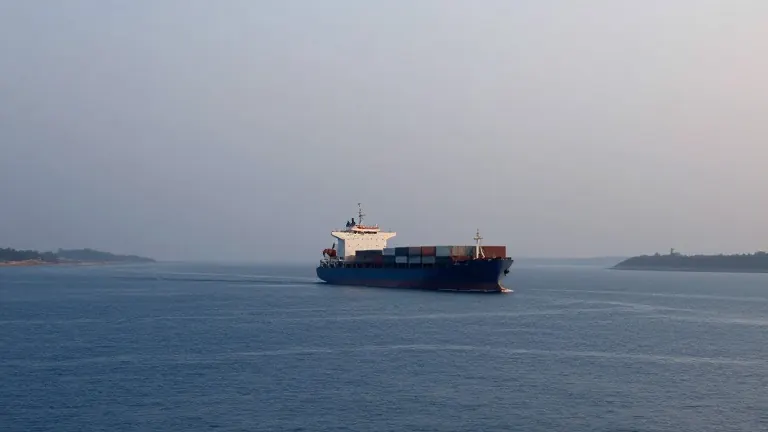
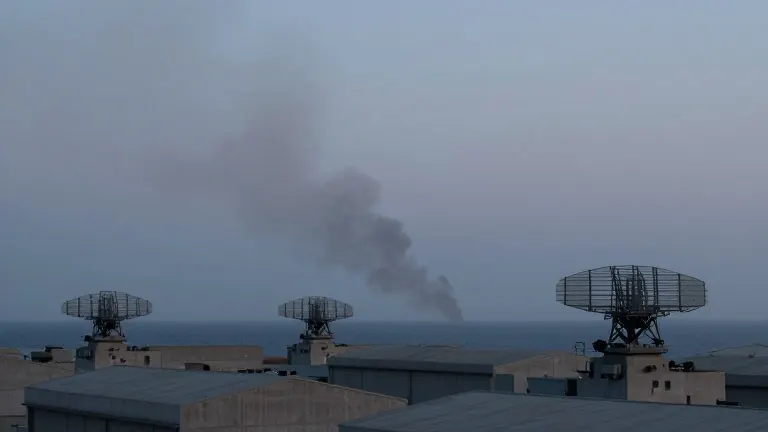
Yemeni forces aligned with the internationally recognized government surrendered control of the Bab el-Mandeb Strait on Sunday, leaving the Iran-aligned Houthis in command of one of the world's most congested shipping lanes. The retreat occurred as the conflict escalated into a nine-month war between the US, Israel, and Iran, creating a dual bottleneck that threatens to isolate Gulf oil producers from global markets.
The strategic shift follows a rapid Houthi offensive that began in September. The militia pushed south from their northern stronghold, aiming to seize Yemen's entire Red Sea coast. By October, government forces launched a counter-campaign to recapture the coastal areas, but the pressure from the north forced a defensive recalibration. The Houthis, who already control the capital Sanaa and Yemen's most populous regions, have now secured the maritime passage that handles a major share of traffic moving from Asia to Europe via the Suez Canal.
The Southern Armed Forces announced the redeployment in a statement, citing the priority of securing Aden, the government's base, and neighboring governorates. The statement specified that troops were moving away from Dhubab Airport and the Bab el-Mandeb area, west of Taiz Governorate. The goal, according to the announcement, was to strengthen front lines and address immediate threats to the capital's stability.
This development intensifies the geopolitical pressure on the Arabian Peninsula. With Iran disrupting traffic through the Strait of Hormuz on the opposite side, the Houthi control of Bab el-Mandeb creates two chokepoints that squeeze Gulf exports. The escalation has already broken a 2022 UN-brokered truce and drawn Saudi Arabia into direct retaliation. The kingdom has struck Houthi targets in Yemen, a country mired in civil war since 2014, to protect its own infrastructure.
The conflict has hit Saudi economic assets directly. Houthi strikes have targeted ports, airports, and facilities of Saudi Aramco, including the Red Sea export hub at Yanbu. These attacks have disrupted flights and oil supplies, breaking a period of relative calm during the early months of the Iran war. The violence has turned Yemen into a primary front in the wider regional struggle, with aid agencies reporting worsening conditions in the western region of Taiz.
Humanitarian distress is mounting around the besieged city of Taiz. The location hosts approximately half of the 300,000 people displaced across Yemen by the latest fighting. Aid supplies remain blocked from entering the zone, while civilians face restrictions on leaving. The situation has created a severe crisis in a country already grappling with some of the world's most difficult humanitarian conditions.
The next phase of the military campaign remains focused on the defense of Aden. Government forces are consolidating their positions in the south to protect the administrative capital. Meanwhile, the Houthis maintain their grip on the northern and coastal territories, solidifying their control over the maritime route that connects the Red Sea to the Gulf of Aden.