Taiz Residents Forced to Cut Daily Water Usage to 10 Liters Over Four Days
A tightening siege by Houthi rebels has cut off essential supplies to Yemen's third-largest city, leaving residents struggling to meet basic needs.
By Priya Sharma ·
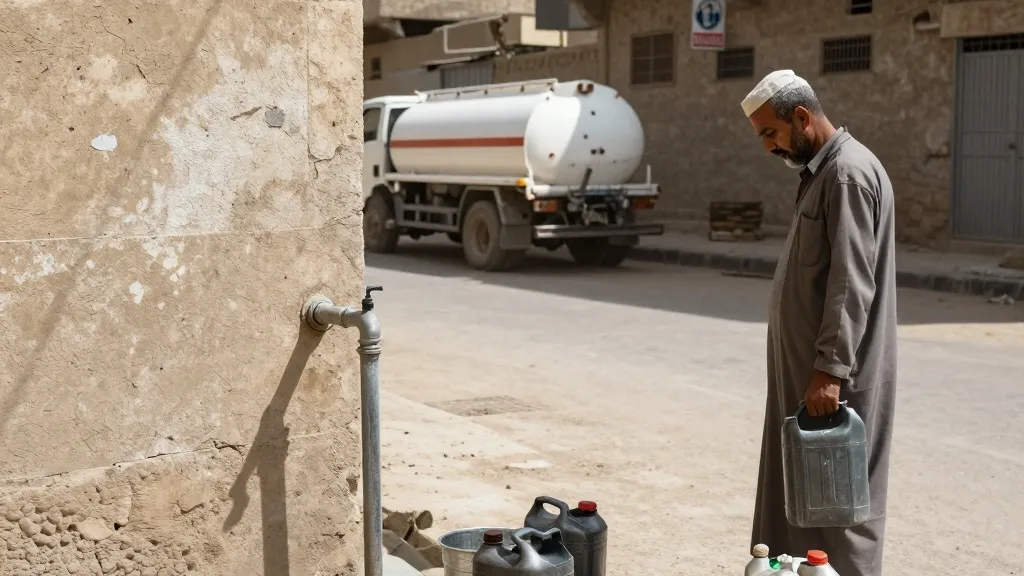
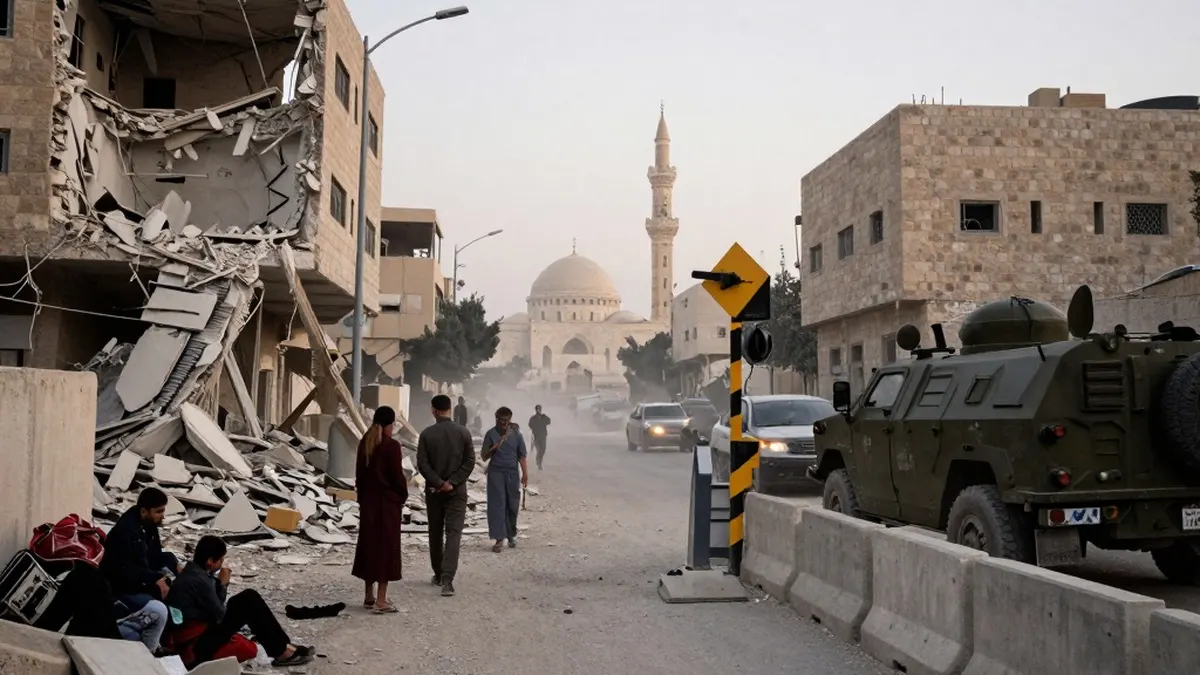
Aid organizations report that water scarcity in the Yemeni city of Taiz has reached a critical point as Iran-backed Houthi rebels intensify their siege on the urban center. For over a decade, securing drinking water has been a challenge for residents, but the conflict with government forces has escalated the difficulty to crisis levels in recent weeks. Humanitarian groups indicate that the basic needs of Taiz's population, which exceeds one million people, are now barely being satisfied.
The blockage of roads has restricted access to wells, while desalination plants are suffering from fuel shortages and water trucks are largely barred from entering. Consequently, families are stretching their supplies to the absolute limit. One resident, Hadil al-Shahid, explained that she and her children previously used 10 liters of bottled water daily for cooking and drinking, but that same amount now must last about four days. She stated, "We stopped drinking coffee and tea, which we used to drink daily." The price of bottled water has surged by as much as 75% compared to a few weeks ago, prompting some households to purchase supplies on credit.
The siege extends beyond water shortages, creating a cascade of other humanitarian issues. Grocery shortages have pushed food prices higher, and the lack of fuel is hindering the operation of hospitals and sanitation services, which raises public health risks. Amnesty International has called on the Houthis to open roads into the city immediately, cautioning that Taiz is nearing "the brink of a severe humanitarian disaster." Yemen has been in a state of civil war since 2014, when the Houthis seized large portions of the north, including the capital Sanaa, compelling the internationally recognized government into exile. Taiz has been a central point of conflict throughout this period.
Damage to aging water infrastructure, population growth, and droughts had already depleted groundwater levels. Residents had previously relied on water delivered by truck, an option that was generally dependable until recently. By August, Yemen had become part of a widening front in the Iran war. Last month, the Houthis accelerated their advance on Taiz following the swift capture of the port city of Mokha, located about 130 kilometers away, which is vital for controlling Red Sea shipping. As rebels seized land and roads around Taiz, residents lost access to nearby wells, and outside deliveries decreased. Truckers who continue the journey have sometimes tripled their rates, while fuel shortages have left water utilities and desalination plants operating well below capacity.
Taiz province has absorbed approximately half of the people displaced elsewhere in Yemen since August, totaling an estimated 124,000 individuals, according to United Nations migration experts. Jens Laerke, a spokesperson for a UN emergency aid division, noted that some displaced families live in makeshift shelters or tents and survive on one meal a day. Hani Bafaqih of the aid group CARE stated that cooking gas prices have more than quadrupled, leading some families to burn wood, charcoal, or cardboard. Fuel shortages have also disrupted community kitchens and halted waste collection. "The shortages feed into each other," Laerke said, warning that disease, including cholera, becomes more likely, especially as thirsty families use unprotected wells. Flour and rice cost about 50% more than in the summer.
Ahmed Abdel Gaber, who is displaced with nine relatives and living in a ruined building, reported that his income from hauling construction material is no longer steady. "We heavily rely on assistance and donations from people to get food," he said. Al-Shahid, who owns a hair salon, was forced to close it as customers prioritized food and water. Her children now eat mostly rice, bread, and cheese. The government maintains control of the center of Taiz, but the siege complicates efforts to resupply its forces, who are encountering strong resistance in the surrounding hills. Analysts state that controlling Taiz is essential if the Houthis aim to advance south toward Aden and Lahj.
Ahmed Nagi of the International Crisis Group said any attempt to seize even parts of the city would likely mean "a prolonged and costly battle." Three Houthi officials, speaking anonymously, claimed the group controls about 80% of the surrounding countryside and several neighborhoods inside the city, though these claims were not verified. Foreign Minister Afrah al-Zouba has acknowledged the rebels' tightening grip. Civilians remain in danger; earlier this week, Houthi missiles struck a residential area in Taiz, killing two teenage girls. Abdel Gaber said he hears explosions daily from fighting about 5 kilometers away, and his family will not return to their mountain village for safety reasons. Al-Shahid cannot afford to leave. "Staying in our home is inevitable," she said, "whether it be a matter of life or death."
Source: NPR