Defense Pact: Pakistan Ratifies Mecca Agreement Amid Regional Tensions
Islamabad completed its approval of the collective defense treaty with Turkey and Saudi Arabia, a move timed to coincide with Houthi strikes on the kingdom.
By Ananya Sharma ·
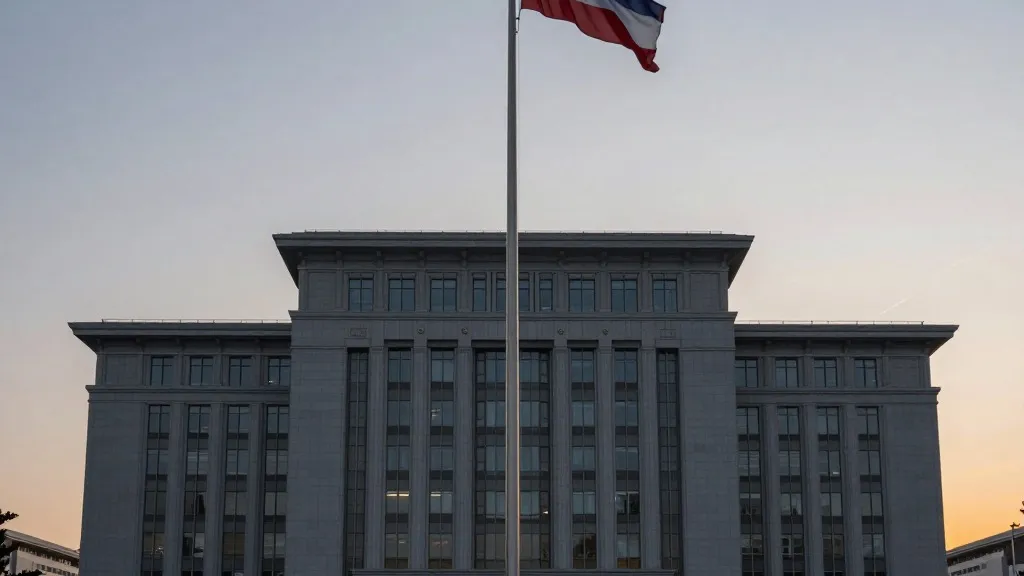
Residents in southwestern Saudi Arabia received civil defense warnings this week, a signal of the heightened security environment facing the region. The alerts targeted areas including Abha and Khamis Mushait, where authorities told residents to follow safety instructions and avoid gathering or filming. Officials later confirmed the danger had passed, though they did not specify the nature of the threat.
Pakistan moved to formalize its military alliance during this period of instability. On Friday, Foreign Office spokesperson Sajjad Haider Khan announced that Islamabad has ratified the Mecca Joint Defence Agreement. He stated that both Pakistan and Saudi Arabia have completed their domestic ratification procedures. Khan noted that the operational details and next steps for the agreement remain under discussion by the three parties.
The treaty was originally signed on 7 August in Mecca. The signatories were Turkish President Recep Tayyip Erdogan, Pakistani Prime Minister Shehbaz Sharif, and Saudi Crown Prince Mohammed bin Salman. The document establishes a commitment to collective defense if any of the three states faces an external armed attack. The specific nature and level of assistance will be determined based on the circumstances of the conflict.
Islamabad describes the pact as a defensive measure consistent with the United Nations Charter. While Pakistan and Saudi Arabia have approved the deal, Turkey is still working through its internal approval process. Consequently, the agreement has not yet been fully ratified by all three signatories. The framework requires that military support be deployed rapidly in Saudi Arabia, subject to each country's domestic laws.
The timeline for implementation accelerated following a meeting on 5 October. The Strategic Political and Defence Committee of the three nations convened and called for the collective defense commitments to be carried out. This gathering marked a shift toward operational readiness for the military alliance.
The regional context for the ratification includes active hostilities. Reuters reported on 21 October that Saudi allies were primarily providing defensive support as the kingdom worked to protect its infrastructure. These efforts came amid missile and drone attacks launched by Yemen's Houthis against Saudi territory.
Tensions extend beyond the immediate Gulf region. The Israeli military announced large-scale exercises for Sunday and Monday in the north and center of the country. The drills involve the air force and units from the Northern and Central Commands. They rehearse scenarios involving surprise air and land attacks and infiltrations to test readiness against multiple fronts.
These military preparations occur as Washington and Tel Aviv reportedly consider renewed action against Iran. President Trump said on Friday that the United States might carry out another military operation as the conflict approaches its eighth month. A report from The Business Times cited US officials who said American and Israeli forces have drawn up plans for fresh strikes following the US midterm elections on 3 November. Potential targets include Iranian energy infrastructure, nuclear facilities, and missile and drone capabilities.