Estonia to shut Russian border crossings on December 1 after drone plant attack
Foreign Minister Margus Tsahkna says the closure follows evidence that the GRU orchestrated a failed sabotage attempt at a northern drone factory.
By Adrian Carter ·
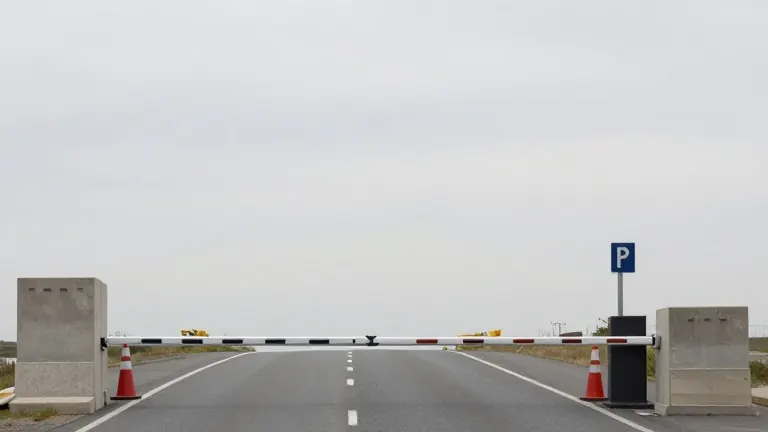
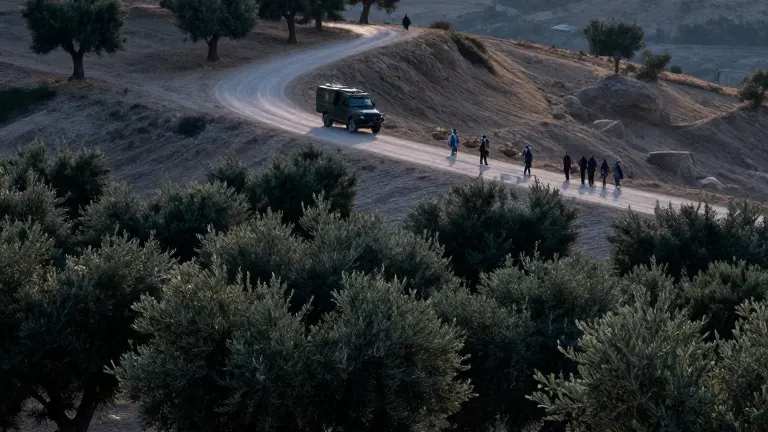
Estonia will close all border crossings with Russia beginning December 1.
Foreign Minister Margus Tsahkna announced the decision on Sunday. He cited clear evidence that Russian military intelligence, the GRU, organized a failed sabotage attack on a drone factory in the north of the country. The incident took place the day before the announcement.
Tsahkna posted on the social media platform X that the closure reduces Moscow’s capacity to run hostile operations inside Estonia. He added that the measure helps prevent the circumvention of sanctions. This follows a similar incident in August, when the Estonian foreign ministry summoned Russia’s chargé d’affaires after an attempted sabotage at another drone facility.
Prime Minister Kristen Michal called the latest event an attempt by Russia to instill fear and weaken support for Ukraine. He said Estonia responded firmly to show that attacks on its defense industry are unacceptable. The government views the closure as a message of resilience to domestic and international audiences.
Experts question whether a physical border stop will halt modern hybrid warfare. Anton Shekhovtsov, director of the Centre for Democratic Integrity in Austria, expressed surprise at the move. He noted that no direct links connected the specific sabotage operation to the border. None of the eight arrested suspects are Russian nationals. All are Latvian citizens who entered Estonia through other borders.
Elena Grossfield, a Russia expert at King’s Centre for the Study of Intelligence, described the trend as the uberisation of hybrid war. Operatives are now recruited for individual assignments, often through online channels. In 2024, Bulgarian journalists accused of working for the FSB attempted to assassinate Bulgarian journalist Christo Grozev in the United Kingdom. The suspects were Bulgarians. Similarly, suspects in an explosive-laden drone incursion at Leipzig Airport this summer traveled via Serbia and Turkey.
Shekhovtsov explained that Russian agents can remain in their home countries while using messaging apps and cryptocurrency for logistics. He added that Russian agents have developed strong ties with European organized crime networks. A Turkish criminal network reportedly conducted the September attack on a Starlink satellite ground station in Poland on behalf of Russian intelligence.
The closure may complicate communication and the transport of materials. Grossfield acknowledged that this will make sabotage operations more complicated and expensive, though she does not believe it will stop them entirely. She noted that Estonians with family or business ties across the border could become more approachable for Russian spies. She suggested the government may want to discourage these contacts to reduce vulnerability. Shekhovtsov observed that domestic politics likely influenced the timing. Finland closed its border three years ago, and Estonia has likely sought a suitable excuse to follow suit. With parliamentary elections scheduled for March, the government aims to appear strong in its handling of the Russia relationship. Grossfield said the move sends a powerful political signal, even if it does not prevent targeted measures. Shekhovtsov argued that announcing closer cooperation with European intelligence agencies would have been the best counter to Russian influence, but voters might have been angered by a less visible response.