Voters punish Trump administration in 2026 midterms
Polling data shows high dissatisfaction with current economic conditions, driving a shift in congressional control.
By Adrian Carter ·
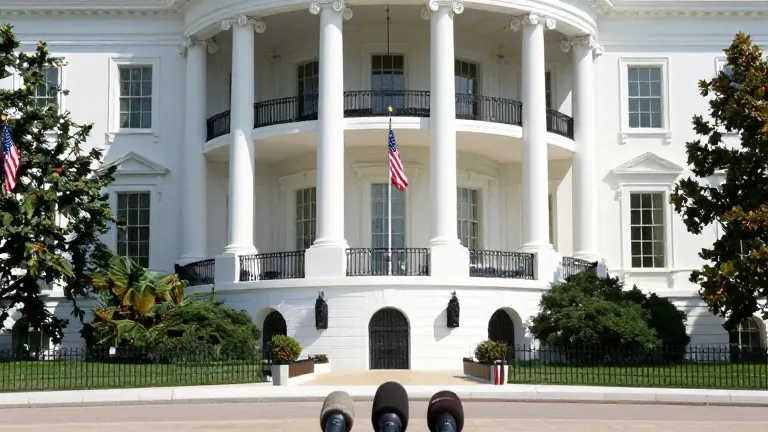
US President Donald Trump urged voters to imagine his name on the ballot for the 2026 midterm elections, a strategy that positions the contests as a direct referendum on his first two years in office. The President, who is not up for re-election, sought to channel his political energy into the races for the House of Representatives and the Senate. This approach challenges the historical pattern where the party holding the White House typically loses seats in midterms. Trump hopes his base of working-class white voters, who supported his victories in 2016 and 2024, will turn out in sufficient numbers to protect Republican incumbents. However, early signals suggest Democratic voters are more motivated to vote against the administration and its congressional allies.
The Associated Press Voter Survey indicates that approximately three-quarters of voters feel angry or dissatisfied with the current state of the country. A majority of respondents blame the Trump administration for high living costs. Specifically, about six in ten voters attribute unusually high prices more to Trump’s policies than to external factors beyond his control. Furthermore, nearly 70% of voters want Congress to provide more checks and balances on the presidency. The survey found that about four in ten voters identify the economy as the most pressing issue, while three in ten cite democracy as the top concern. These figures far exceed the percentages who prioritized crime, healthcare, or immigration.
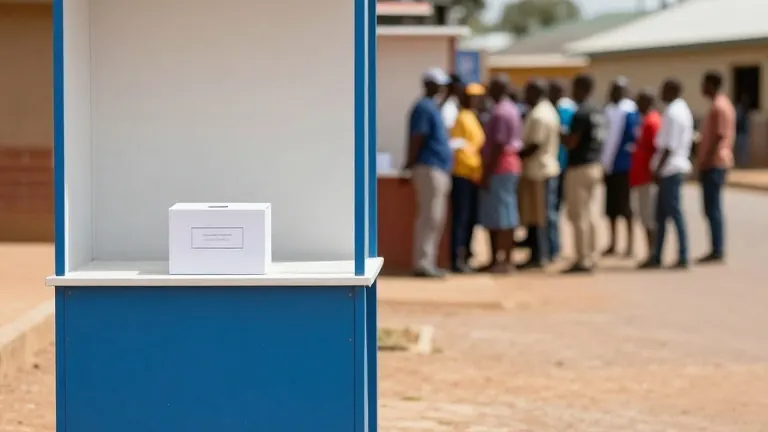
More than 59 million Americans voted before Election Day, though many more ballots are expected to be cast on Tuesday itself. Government oversight groups have expressed concern that Trump and his allies may interfere with the voting process. In response, Democrats and nonpartisan observers trained tens of thousands of volunteers to monitor polling places. The Trump administration recently hinted at federal intervention in Alaska after a judge rejected a Department of Justice bid to block the certification of the Senate race if Republican Senator Dan Sullivan lost. Trump described the situation as election fraud at the highest level. The administration also attempted to stop California from counting 20,000 ballots from people identified as likely non-citizens, a move that failed.
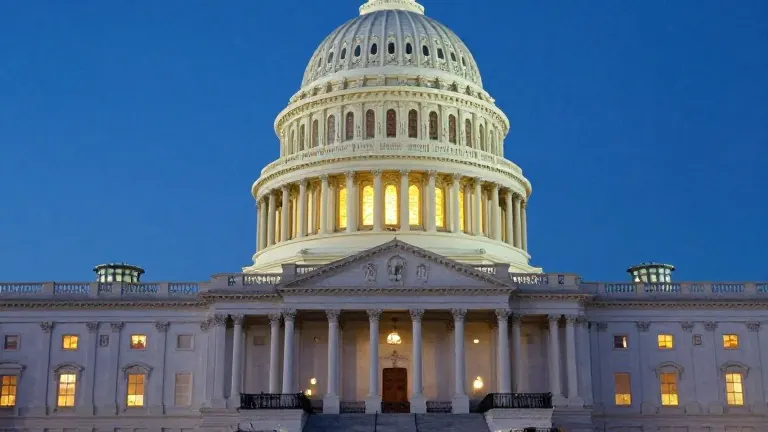
Strategists from both parties believe Democrats are on track to win a majority in the House of Representatives. Republicans began the current Congress with a narrow margin of 220 to 215 seats. Democrats are targeting more than 60 districts, including many where Trump won by double-digit margins. However, redistricting and deep partisan divides between metropolitan and rural areas have reduced the number of competitive races. In the Senate, Republicans hold a 53 to 47 advantage. Democrats need to win four seats to take control, requiring victories in states Trump won, such as Ohio, Iowa, Kansas, Texas, and Alaska. Early results in Pennsylvania, Florida, and Virginia will serve as key indicators of the national trend. Specifically, races in Pennsylvania's First District and Florida's 22nd and 25th Districts will provide early clues.
The outcome will also determine the future of the Democratic Party. The party faces an internal debate between its progressive flank and its traditional moderate base. Abdul El-Sayed, the Democratic candidate for Senate in Michigan, is a high-profile progressive. His potential victory against Republican Mike Rogers would be a major achievement for the left. Conversely, losses in Michigan and Minnesota could cost Democrats control of the Senate and trigger internal criticism. If candidates from across the ideological spectrum win, the party may face an open and contentious primary race for the next presidential nomination. The redistricting efforts led by Trump and other state leaders have created a complex map that may limit the overall scale of Democratic gains despite high voter dissatisfaction.