50,000 flee to Kenya as Moyale dispute halts Ethiopia trade
UNHCR estimates provisional figures as border clashes between Oromia and Somali regions displace residents and block key transport routes.
By Adrian Carter ·
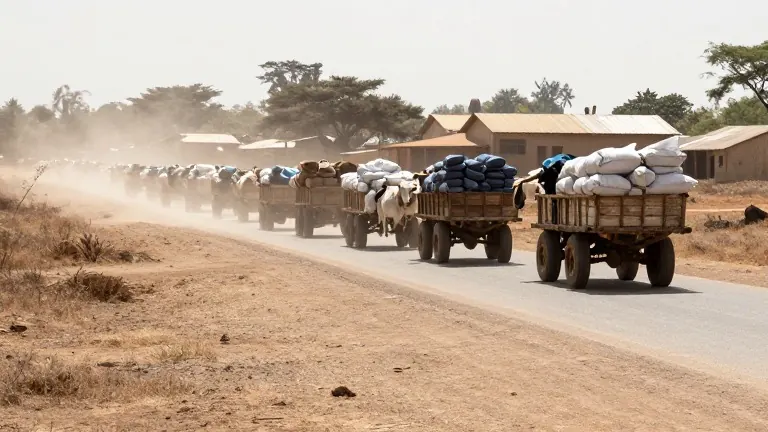
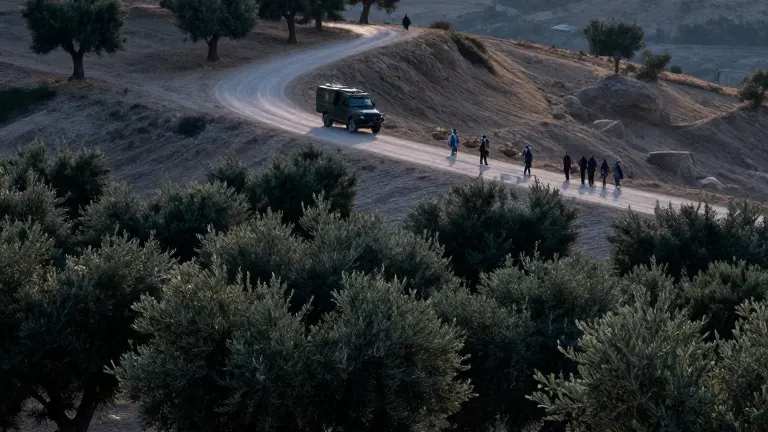
Approximately 50,000 people have crossed into Kenya to escape fighting in southern Ethiopia, according to a provisional estimate released by the United Nations High Commissioner for Refugees on October 28.
The displacement stems from intensified violence in the Moyale area, which began on October 18 when Somali regional police clashed with ethnic Oromo militia members. The initial confrontation followed the opening of a Somali administration office and the raising of its flag in a disputed section of the town. ACLED, an armed conflict data organization, recorded a 13-year-old Oromo girl among the dead, though accounts vary on whether she was killed in crossfire or after attempting to remove the flag.
Ethiopian National Defence Force personnel intervened to stop the first fight, but tensions escalated the following day. Oromo demonstrators blocked the main road in Moyale to protest the office and the girl's death, forcing local businesses to close. A temporary agreement saw elders and security officials remove the flag and suspend the opening, but Somali residents rejected the arrangement. On October 20, they blocked the road again, interrupting transport networks that serve the region.
Clashes resumed on October 22 at several locations in Moyale, involving Somali regional police, Oromia regional police, and Oromo militia members. Fighting spread to parts of Arero and Wachile districts, disrupting the livestock trade and affecting transport operators. A security official familiar with the situation told Al Jazeera that negotiations between the two regional administrations had failed. He described the need for immediate direct federal involvement to manage the ongoing conflicts.
Kenya's Prime Cabinet Secretary Musalia Mudavadi contacted his Ethiopian counterpart on November 9. He urged Addis Ababa to restore stability so displaced residents could return. Kenya's The Star newspaper reported that Mudavadi cited a figure of approximately 40,000 people who had crossed the border, while the UNHCR's higher estimate of 50,000 remains under verification. Registration processes are still ongoing, and many of the arrivals are women and children who require urgent food, water, shelter, and healthcare.
The dispute has deep historical roots in disagreements over boundaries, political representation, and land resources. Ethiopia's National Election Board held a referendum in October 2004 to determine administrative control over 463 small communities along the border. Boku Tache's 2008 doctoral research at the Norwegian University of Life Sciences noted that voting took place in Liban and parts of Arero, leaving Moyale's status unresolved. This ambiguity has contributed to recurring friction between the Oromia and Somali regional administrations.
Cameron Hudson, a political and security analyst and former US National Security Council director for African affairs, told Al Jazeera that the crisis exposes structural difficulties in Ethiopia's federal system. He noted that federal forces face security demands in other parts of the country. Hudson also pointed to a perception among Somali communities that Prime Minister Abiy Ahmed and his Prosperity Party favor the Oromo, Ahmed's own ethnic group. He linked the failed mediation efforts to the unresolved territorial dispute and argued that successive governments have responded to violence without adequately engaging communities on the underlying causes.