Macron Faces 980 Detentions as France's Protests Turn Violent
Police deployed 70,000 officers to manage 410,000 marchers, but evening clashes in major cities resulted in nearly 1,000 arrests and two serious injuries.
By Adrian Carter ·
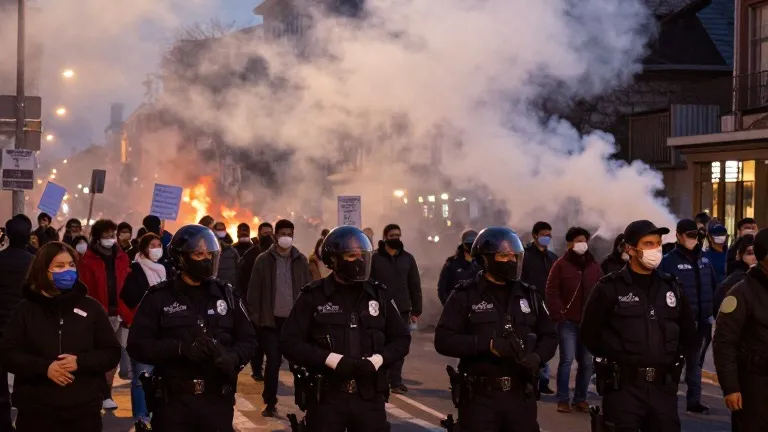
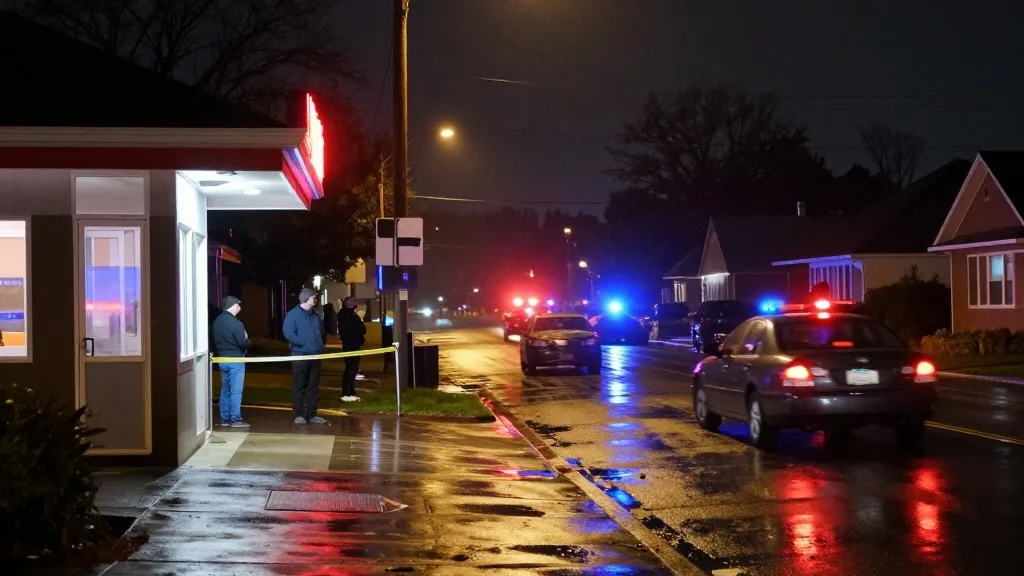
French authorities detained 980 people on Saturday as nationwide protests over cost of living and school conditions turned violent in the evening. The figure, announced by Interior Minister Laurent Nuñez, is expected to rise as police continue processing detainees. Two individuals sustained serious injuries, one in Toulouse and the other in Clermont-Ferrand.
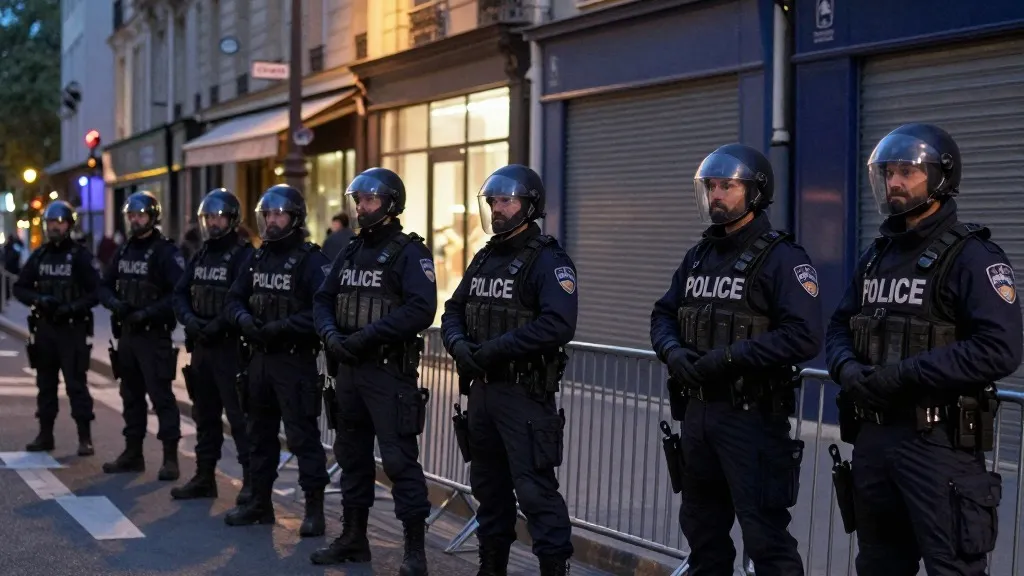
The interior ministry estimated that 410,000 people participated in the demonstrations, while labor unions claimed the turnout reached 800,000. Approximately 70,000 police officers were deployed across the country to prevent a repeat of the disorder seen the previous weekend. That earlier protest resulted in more than 2,500 arrests and left over 2,000 businesses with damage estimated in the hundreds of millions of euros.
Daytime marches remained largely peaceful, but tensions escalated after dark in several cities. In Paris, an elite police unit normally used for counter-terrorism operations was deployed near Porte de Vincennes. Protesters built makeshift barricades and threw projectiles at officers, who responded with batons and tear gas. Nuñez stated that several thousand radical activists gathered at the rear of the march, including around 500 identified rioters.
Similar scenes unfolded in other major cities. In Marseille, demonstrators set fire to rubbish bins and used metal sheets to block streets, while barricades were set alight. In Bordeaux, crowds tore boards from a shop. Police in Lyon fired tear gas to disperse a group of roughly 150 students in an area the local prefecture had declared off-limits. One protester told reporters that visibility in the street was extremely poor due to the gas.
Protesters expressed deep frustration with the government. Zelie, a 26-year-old in Paris, described the situation as unbearable. Two masked teenagers blamed poverty and police violence for the unrest, noting that their generation felt abandoned. They said the protests would continue until their demands were met. In Orléans, about 13,000 people rallied peacefully against the hard-right National Rally party.
The unrest has also spread to other European cities. Riot police fired tear gas at anti-government demonstrators in Tirana, Albania, and clashes were reported in Brussels. In Milan, hundreds of soldiers and police prevented protesters from gathering to avoid a repeat of the previous week's violence. With presidential elections six months away, leading political contenders have begun blaming President Emmanuel Macron and his ministers for the escalating crisis.
Macron had earlier in the week decreed that only demonstrations organized by recognized trade unions would be permitted. Fast-track court hearings in recent days have led to the jailing of hundreds of people for vandalism, arson, and looting. The government aims to maintain order while addressing the underlying economic grievances driving the protests.