US and Iran settle into standoff as Trump declares no deal needed
Polls show 70 percent of Americans view the conflict as unwinnable, yet both sides maintain blockades and sanctions that keep the war from ending.
By Ananya Sharma ·
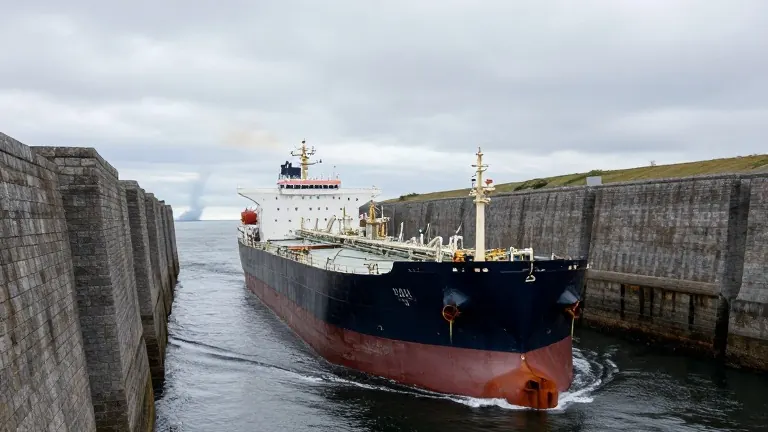
The war between the United States and Iran has settled into a stalemate, with President Donald Trump signaling that Washington will not rush to sign a new agreement. In a late-week post on Truth Social, Trump wrote that the days when the US needed a deal with Iran had passed. He claimed the US had captured hundreds of billions of dollars in Iranian money and control over the Strait of Hormuz.
Trump’s stance creates friction with Vice President JD Vance, who led earlier negotiations. Vance publicly blamed the war and rising fuel prices for the Republican Party’s losses in the November 3 midterm elections. He instructed on social media that anyone thinking the war was worth losing the Senate for six years should speak up. Trump, however, told Vance to focus his attention on corruption in Democratic-run cities, suggesting a split in the administration over how to exit the conflict.
Tehran insists the war has not ended. On November 9, President Masoud Pezeshkian announced that Supreme Leader Mojtaba Khamenei ordered officials to end the state of neither war nor peace. Iran’s chief negotiator, Parliament Speaker Mohammad Bagher Ghalibaf, stated that the ball is now in the American court. Tehran will not reopen the strait or return to peace talks until the US naval blockade and sanctions are lifted.
The current situation differs from a full ceasefire. The US reimposed its blockade on July 14 after a June truce collapsed over control of the strait. Muhanad Seloom of the Doha Institute for Graduate Studies described the conflict as having changed form from an air campaign to a siege. He noted that more than one attack occurs daily on shipping around Hormuz. He argued that calling the situation frozen ignores the ongoing pressure on Iran.
Economic pressure is mounting for both sides. The Iranian economy shrank 10.1 percent year on year between March and June. Annual inflation hit 83.8 percent in September, and the rial has fallen to record lows. Iran has set seven conditions for a formal ceasefire, including the release of frozen funds. Ghalibaf added that the strait will never return to its pre-war toll-free status.
In the US, a Chicago Council on Global Affairs survey from October found nearly 70 percent of Americans believed the war was not worth fighting. Public opposition to ground troops remains high. Tallha Abdulrazaq of the University of Exeter’s Strategy and Security Institute said Trump is stuck between a rock and a hard place. He noted that three carrier strike groups remain in the region through December. Any serious escalation would likely occur before Democrats take control of Congress in January.
Historical precedents suggest such standoffs can last decades. Korea remains technically at war more than 70 years after its 1953 armistice. Eastern Ukraine’s front line held for nearly eight years before the 2022 invasion. Nagorno-Karabakh’s ceasefire ended in 2023. Abdulrazaq compared the current situation to the 1991 to 2003 Iraq embargo. He warned that both sides are on the clock economically because the conflict runs through a waterway that carried a fifth of the world’s oil and gas before the war began.