Former General: New Iran Strikes Need Defined Goal to End Conflict
Retired Gen. Joseph Votel argues that without clear objectives on the Strait of Hormuz and nuclear enrichment, military force alone will not resolve the war.
By Adrian Carter ·
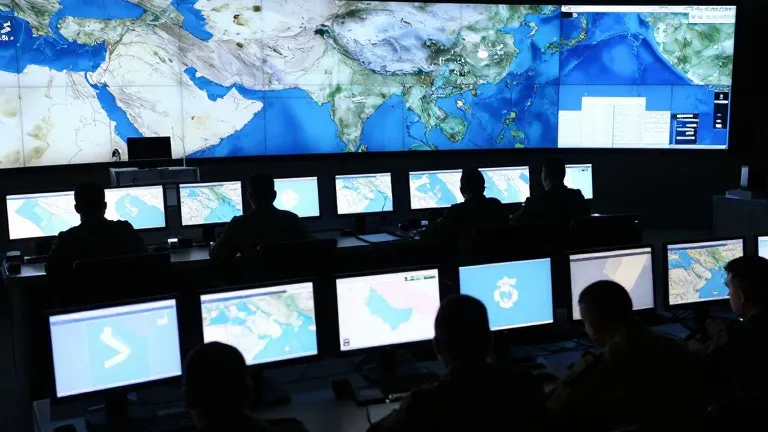
U.S. and Israeli military planners are weighing a new series of attacks on Iran following the recent election, yet experts question whether these strikes will force a final resolution. Retired Army General Joseph Votel, who led U.S. Central Command from 2016 to 2019, believes the current strategy risks repeating previous patterns of temporary degradation without lasting change.
Votel, now chair of the Combating Terrorism Center at West Point, stated that many likely targets have already been struck and that Iran has demonstrated the ability to rebuild them. He described fresh attacks as a means to buy time and punish Tehran, but noted that such actions have not yet altered Iran's strategic calculations regarding the war's trajectory.
The central problem, according to Votel, is the absence of a clearly defined end state. He argued that Washington must specify exactly what victory looks like and how it will declare the conflict over. In his assessment, the primary objectives should be resolving the nuclear enrichment issue and securing the opening of the Strait of Hormuz.
Once those goals are established, Votel recommended aligning military, economic, diplomatic, and information pressures to achieve them. He emphasized that military force is only one component of national power. He identified the financial front as the area with the most visible progress, citing sanctions and a blockade that have reportedly caused Iran's ghost fleet to run out of oil.
Votel noted that the U.S. aim of reopening the Strait of Hormuz is designed to facilitate oil and commerce flows, which would help lower gas and diesel prices domestically. He also highlighted Iran's nuclear program as a secondary concern, while acknowledging that Tehran uses proxies to create regional instability. However, he maintained that Hormuz and enrichment remain the principal strategic worries.
Regarding the military readiness for a prolonged campaign, Votel stated that American offensive power in the region remains substantial. However, he identified missile defense as a potential constraint. He explained that while the ability to strike is secure, defensive interceptors protecting U.S. forces, regional partners, and critical infrastructure are under heavy pressure, creating a specific vulnerability in the defense sector.