Netanyahu Trial: Prosecutors Seek Full Cross-Examination of Mandelblit
The High Court of Justice will rule Sunday on whether the state can question the former attorney-general beyond the limits set by the District Court.
By Ama Ndlovu ·
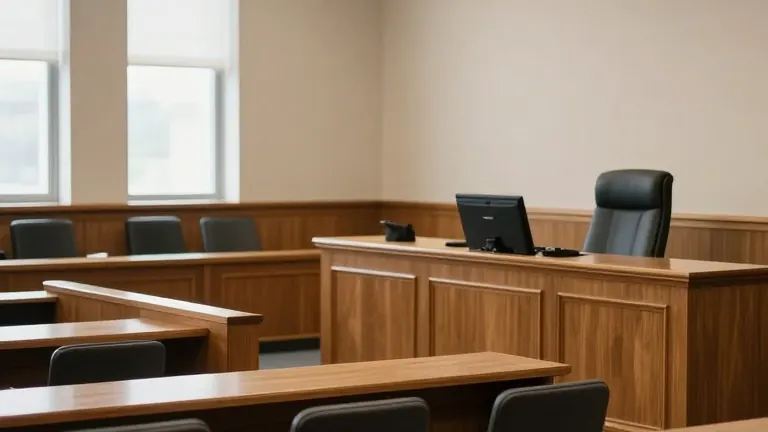
The High Court of Justice in Israel is set to decide on Sunday whether prosecutors in the Benjamin Netanyahu trial can conduct a full cross-examination of former attorney-general Avichai Mandelblit. The panel will hear arguments at 3 p.m. regarding a dispute over questioning limits imposed by the Jerusalem District Court. This procedural fight threatens to delay the defense stage of the case.
The dispute centers on a November 2 ruling by the District Court. That decision barred the prosecution from cross-examining Mandelblit. Instead, the state was limited to re-examination, which generally allows only clarifying questions. The District Court viewed the defense’s initial questioning of Mandelblit as a form of cross-examination because it relied on a memorandum he had submitted about his past decisions.
The prosecution challenges this interpretation. They argue that because the defense called Mandelblit as a witness, the state retains the right to cross-examine him. This right should apply regardless of his former role as head of the prosecution. The High Court will hear the case before a panel of three judges. Supreme Court President Isaac Amit will preside alongside Justices Yael Willner and Khaled Kabub.
The distinction between the two types of questioning affects the trial’s trajectory. Cross-examination permits leading questions and allows prosecutors to challenge a witness’s account directly. Re-examination is narrower in scope. The state argues the current restrictions prevent them from confronting Mandelblit with documents. They say the limits also block them from clarifying gaps in events that occurred about ten years ago.
Prosecutors filed the petition on Monday with the approval of Attorney-General Gali Baharav-Miara and State Attorney Amit Aisman. The High Court issued a conditional order on Tuesday. It requires all parties to explain why the requested legal relief should not be granted. Respondents must submit their written responses to the court by 10 a.m. on Sunday.
In a separate procedural matter, the trial court postponed Baharav-Miara’s scheduled appearance. She was originally due to testify before the trial panel on Wednesday, November 18. The court granted a one-week delay at the prosecution’s request. She is now expected to appear on Wednesday, November 25. The panel, led by Judge Rivka Friedman-Feldman, summoned her to discuss case management strategies.
The trial began in May 2020 and involves three distinct cases. Netanyahu faces charges of fraud and breach of trust in all three instances, as well as bribery in Case 4000. He denies all wrongdoing. The cases involve allegations regarding gifts from businessmen, media coverage deals, and regulatory favors for telecommunications interests. The High Court’s decision on Sunday will determine how the defense stage proceeds.
The state acknowledges that High Court intervention in interim criminal trial decisions is exceptional. Prosecutors argued that waiting until an appeal after the final judgment could cause irreversible harm. They fear it may force a reopening of evidence later. The petition seeks a ruling that affirms the prosecution’s right to cross-examine any witness called by the defense.