39 Million Hispanic Voters May Decide Control of Congress
Shifting attitudes toward border enforcement and rising costs could drive Latino turnout in next week's midterms.
By Adrian Carter ·
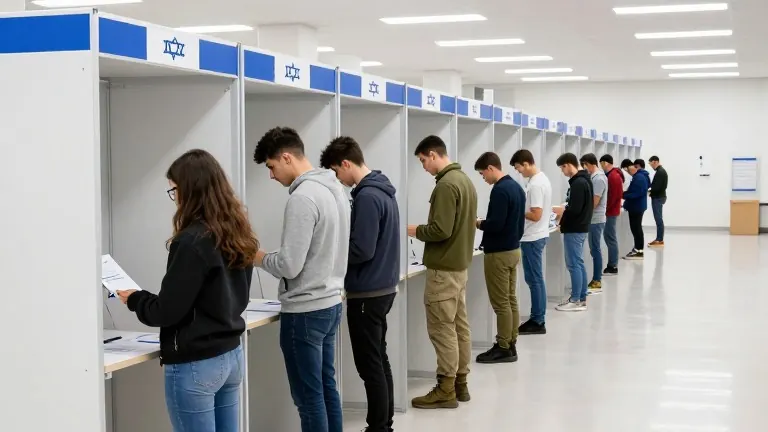
With the U.S. midterm elections set for November 3, political campaigns are focusing intensely on the roughly 39 million Hispanic Americans eligible to vote. This demographic has emerged as a potential deciding factor in determining which party controls Congress, particularly as traditional partisan loyalties weaken among this group.
Historically, Hispanic voters have moved closer to the Republican Party in recent cycles. Exit polls indicate that Donald Trump’s share of this vote rose in every election from 2016 through 2024. By the 2024 presidential race, his support among Latinos reached the highest level ever recorded for a Republican candidate. However, current dissatisfaction with his administration's policies may reverse this trend, potentially aiding Democratic candidates in key races.
Javier Palomarez, president and CEO of the U.S. Hispanic Business Council, describes this electorate as resistant to strict party alignment. He told CBC News that the community tends to vote for individuals rather than parties, noting that Republicans often support Democrats within their families and vice versa. This flexibility makes the group a targeted priority for both major political parties.
The issues that contributed to Trump’s 2024 victory, such as lowering living costs and tightening border security, are now sources of contention for some Hispanic voters. Many cite the war with Iran as a factor that sharply increased gas and diesel prices across the country. Others object to a significant expansion of detentions targeting undocumented Hispanic residents who have lived in the U.S. lawfully for years, a shift from the administration's initial pledge to focus primarily on violent criminals.
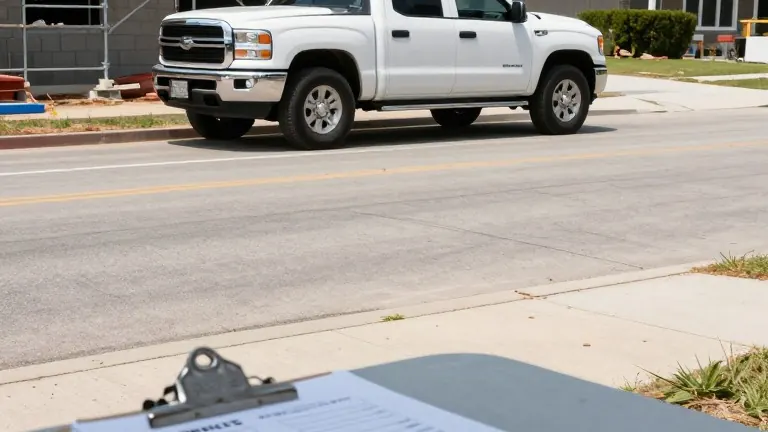
In the Rio Grande Valley region of Texas, this frustration is evident in local experiences. Jose Ferrer, a 24-year-old canvasser for the activist group LUPE Votes in Edinburg, said his stepfather was detained by Immigration and Customs Enforcement on Father’s Day this year. The family discovered his truck abandoned by the road and received no communication for two weeks before he was deported to Mexico two months later.
Economic concerns are driving some voters to switch sides. Mario Guerrero, a developer in Pharr who voted for Trump in three previous elections, plans to vote Democratic this time. He described the enforcement in south Texas as brutal, noting that raids have frightened workers away from job sites and slowed construction projects. Guerrero said that even documented workers are being detained, and he predicted a Mexican American turnout like never before.
Analysts caution against viewing Hispanic voters as a single political bloc. Pew Research Center data show they comprise one-sixth of eligible voters, a larger share than Black Americans. This group includes devout Catholics, fiscally conservative entrepreneurs, working-class naturalized citizens, and college-educated families who have been settled in the U.S. for generations. Dayana Iza of Mi Familia Vota stated that data consistently show these voters cannot be categorized into a single profile.
Álvaro Corral, a political scientist at the University of Texas Rio Grande Valley, noted that neither major party fully reflects the typical Hispanic view on immigration. Most Latino voters favor strong measures against criminal border crossers while supporting a path to citizenship for long-time workers. He said the current Trump approach is offending the sensibilities and morality of many in the community. Palomarez argued that Democrats also have missteps, having taken Hispanic voters for granted and moved too far left on certain issues.
This wariness is visible in Democratic campaign strategies. Bobby Pulido, a Latino recording artist challenging Republican Representative Monica De La Cruz in Texas’s 15th congressional district, avoids traditional party labels. His campaign shirts read, 'Not Team Red. Not Team Blue. Team You.' Pulido believes that ICE raids which split families and disrupt the economy will hurt Republican candidates, predicting a very, very big explosion on election day.
More Politics · World news · Report a business · Got a Story?