Ukrainian Military Regains Full Starlink Speeds After Ten-Day Standoff
Elon Musk and US officials traded blame for the sudden 160km/h cap that disrupted combat operations before speeds returned to pre-dispute levels this week.
By Adrian Carter ·
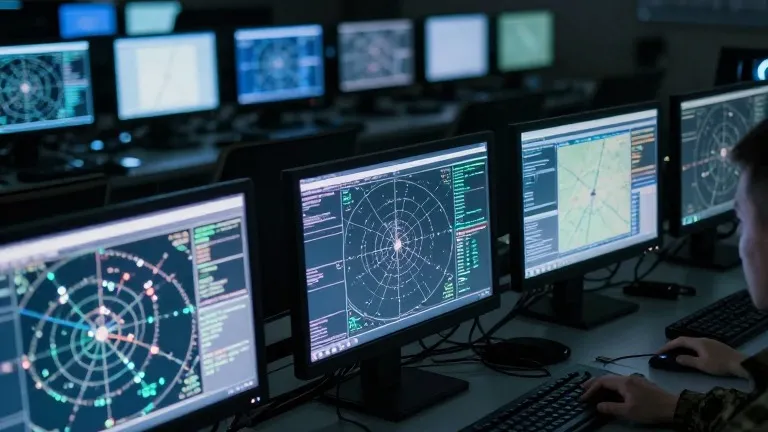
The Ukrainian government confirmed on Saturday that its armed forces have regained a stable connection to the Starlink satellite network. The announcement came ten days after sudden speed restrictions were applied to the terminals, capping their operational speed at 160 kilometers per hour. These limits forced the cancellation of several combat missions and hindered the interception of Russian attack drones earlier this month.
The disruption left Ukrainian forces vulnerable, as they lost advance warning for ballistic missile strikes from the United States. The timing of the speed caps coincided with President Donald Trump's announcement of a US deal to purchase Russian diesel. Trump initially distanced his administration from the decision, stating in a statement that he did not believe Elon Musk was responsible. He later described Musk as very brilliant and said he would straighten out any remaining problems if necessary.
Secretary of State Marco Rubio defended the president by asserting that the White House does not manage SpaceX or its satellite systems. He suggested that the decisions regarding Starlink and Starshield fall under Musk's purview. Musk responded on X, arguing that the US government owns and controls the systems, with the military and the president making the final calls on usage limits. Vice President JD Vance supported Musk, noting that the billionaire preferred not to be caught in the middle of a conflict between two state actors without direct government instruction.
President Volodymyr Zelenskyy blamed both parties for the disruption, describing it as a planned operation. He noted that Starshield terminals in European Union countries were not subject to the same restrictions, which applied exclusively to Ukraine. Zelenskyy warned that the speed cuts would result in human losses, as they affected frontline logistics and the defense against jet-powered Shahed drones. The specific 160 kilometer per hour cap rendered many missions impossible, particularly those requiring rapid response behind enemy lines.
The restoration of full speeds began overnight between Friday and Saturday. By Saturday morning, Zelenskyy announced in a video address that Starlink and Starshield had returned to their pre-restriction levels. He thanked US allies, including Trump and the State Department, for resolving the issue. The return to full speed allows the military to operate at the level required for current combat conditions, ending the ten-day period of reduced connectivity.
Earlier in the week, the status of the service remained unclear. While Trump claimed on Thursday that the service was back at full speed, a European official told the Associated Press that it was not fully functioning. The discrepancy highlighted the confusion among allies during the standoff. The situation concluded with the confirmed return to normal operations, allowing Ukrainian forces to resume their standard reliance on the satellite network for communication and targeting.
More Business · World news · Business Watchdog · Report a business · Got a Story?