SpaceX Stock Soars as Q3 Blowout and AI Pivot Trigger Massive Wall Street Repricing
A surge in AI revenue and aggressive infrastructure spending led analysts to hike price targets significantly following the company's record-breaking third-quarter results.
By Zanele Khumalo ·
SpaceX shares surged approximately 8 percent in early premarket trading on Tuesday, October 21, following the release of a third-quarter report that shattered analyst expectations and signaled a decisive pivot toward artificial intelligence dominance. The stock, which closed at $147.79 on Monday, October 20, is now trading significantly higher as investors react to a quarter that saw revenue triple the pace of prior growth and net income swing from a loss to a massive profit. This immediate market reaction underscores a broader shift in how Wall Street views the company, moving it from a pure space-launch entity to a central player in the global AI infrastructure race.
The financial results reported after the market close on October 20 revealed total revenue of $14.6 billion, a year-over-year increase of 161 percent. This figure comfortably exceeded the consensus estimate, which hovered near $12.7 billion. More critically for investors focused on profitability, SpaceX posted a net profit of $4.4 billion, reversing a loss recorded during the same period the previous year. Adjusted EBITDA reached $8.8 billion, highlighting improved operational efficiency and scale.
A key driver of this performance was the company’s Super Intelligence division, which generated approximately $7.6 billion in revenue, becoming the largest contributor to the bottom line. This segment grew nearly 830 percent year-over-year, outpacing the Connectivity segment, which delivered $5.2 billion. The Connectivity business also saw strong momentum, lifting its consumer subscriber base to 13.6 million for Starlink, driven by steady additions in both consumer and enterprise tiers.
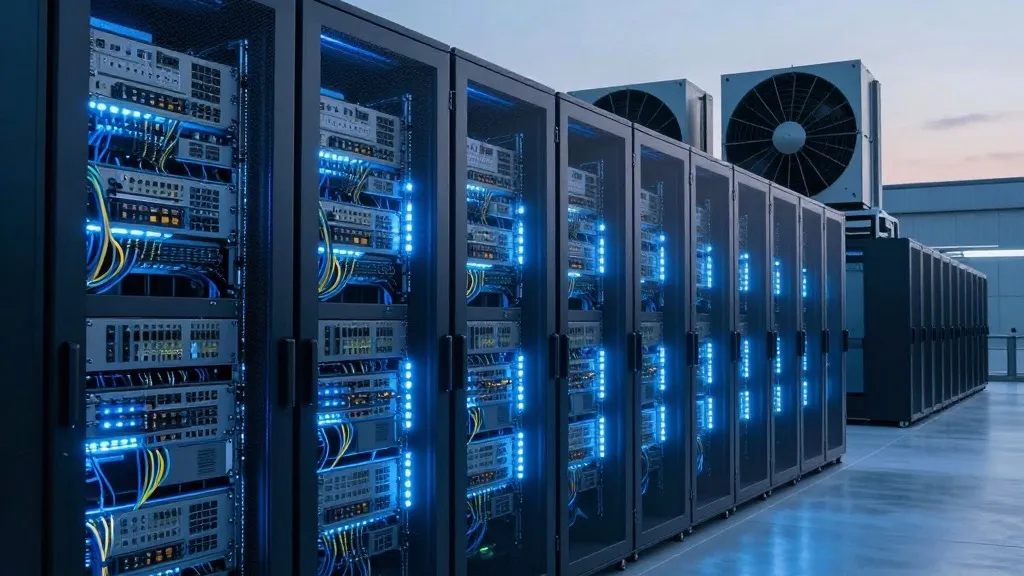
The timeline of how the company reached this position includes a strategic expansion into AI compute infrastructure. Management outlined plans for fourth-quarter capital expenditures between $35 billion and $40 billion, heavily focused on building out data centers in locations such as Memphis and Southaven. The goal is to reach 2.5 to 3 gigawatts of nameplate compute capacity by the end of the year, with pathways discussed to expand that figure to 13 gigawatts or more by the end of 2027. CEO Elon Musk emphasized relentless demand from hyperscalers, noting that compute pricing supports payback periods of less than a year, and in some cases, as short as six months.
During the earnings call, CFO Bret Johnsen and Musk provided first-quarter 2027 revenue guidance ranging from $33 billion to $37 billion. This projection was substantially higher than the roughly $22 billion analysts had previously modeled, further validating the bullish outlook. The discussion also covered recent operational successes, including Starship’s orbital milestones and the deployment of V3 satellites, alongside rapid adoption of the Grok Bot and plans for further spectrum expansion.
The most consequential outcome of the call was the immediate wave of price target hikes across Wall Street. JPMorgan more than doubled its target to $500 from $240, maintaining an Overweight rating. Cantor Fitzgerald raised its target to $345 from $246, while Barclays lifted its estimate to $300 from $254. Citi increased its target to $240 from $200, and UBS moved its price target to $230 from $210. TD Cowen also adjusted higher, setting its target at $224 from $200.
Other major institutions followed suit. Morgan Stanley held its Overweight rating with a $300 target, while Wells Fargo raised its estimate to $274 from $214, and Clear Street adjusted its target to $248 from $217. Analysts broadly cited the strong quarterly performance, the accelerating expansion of AI compute capabilities, and continued progress in Starlink and Starship programs as the primary drivers for these higher long-term growth and earnings projections.
Looking ahead, the focus will remain on the execution of the massive capital expenditure plans in AI infrastructure. While the revenue growth is undeniable, the elevated spending levels remain a point of scrutiny for investors. However, the average analyst price target has moved higher across the board, reflecting greater conviction in SpaceX’s trajectory across its launch, connectivity, and AI businesses. The formation of special committees to explore a possible combination with Tesla also adds a layer of strategic complexity that may influence future corporate actions.
For New England readers and investors, this marks a significant shift in the tech sector's leadership dynamics. The rapid escalation of price targets indicates that the market is no longer pricing SpaceX solely on its launch cadence but is placing a premium on its role as a foundational provider of AI compute. With guidance for 2027 far exceeding prior models, the coming quarters will test the company’s ability to translate its heavy infrastructure spending into sustained earnings growth.
Source: Teslarati