Serbian Election: 150,000 Rally for Student List in Tight Race
A student-driven slate of 250 experts challenges Aleksandar Vučić in a parliamentary vote where polls indicate a near-equal split.
By Adrian Carter ·
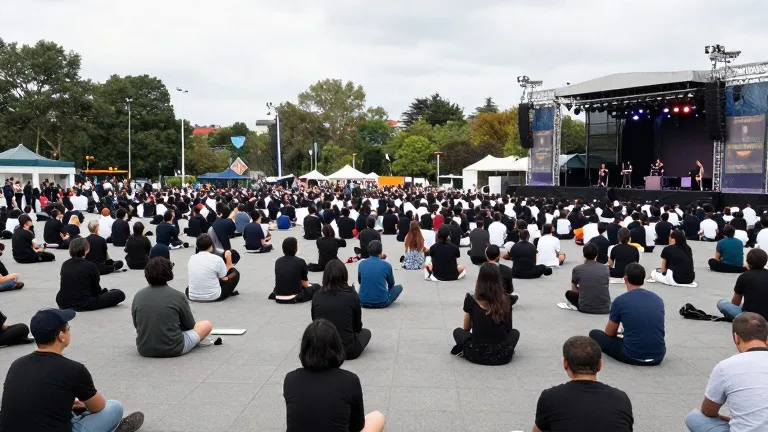
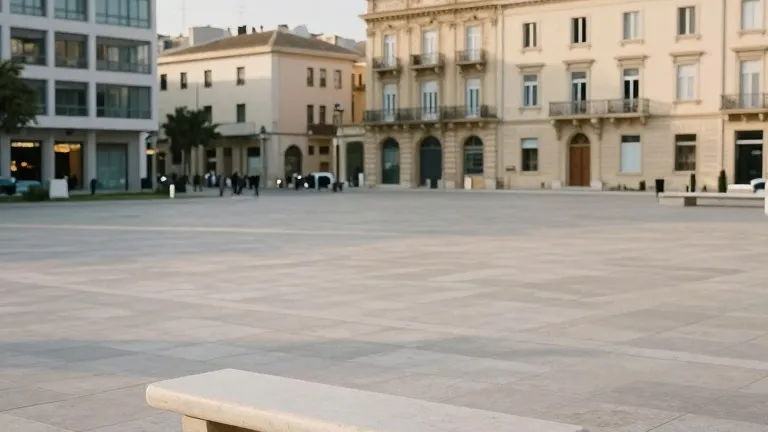
Approximately 150,000 people gathered in Slavija Square in Belgrade to hear speakers from the Student List, a new political force challenging the country's long-serving leader. The turnout marks the largest public demonstration in the campaign for Sunday's parliamentary election, which analysts predict will produce an extremely close result.
The Student List emerged from nearly two years of anti-corruption protests that began after a canopy collapsed at a railway station in Novi Sad, killing 16 people. Instead of selecting a single figurehead, university assemblies chose 250 candidates from fields including medicine, engineering, economics, and athletics. None of the candidates have prior political experience. Ilija Srdanović, a cardiologist and professor at Novi Sad University, tops the ballot but does not hold a formal leadership position within the movement.
Aleksandar Vučić, who has held various executive roles since 2012, stepped down as president last month to run for prime minister. His campaign emphasizes economic growth and infrastructure development over the past decade. He characterizes the student movement as foreign-backed and claims it seeks to dismantle the state. At a recent rally, he questioned whether the Student List would impose sanctions on Russia, a move that could strain Serbia's existing ties with Moscow and Beijing.
The Student List argues that Vučić’s Serbian Progressive Party controls state institutions and media. An International Election Observation Mission report following the 2023 election cited a strong advantage for the ruling party due to media bias and the misuse of public resources. A pro-government camp has occupied a central Belgrade park for 18 months, and its residents have periodically clashed with journalists. Vučić refers to the camp as a symbol of resistance.
The Novi Sad disaster remains a central issue for the opposition. The station renovation was part of the high-speed rail link between Belgrade and Budapest, a flagship project of Vučić’s administration. Magda Anastasijevic, an Eastern Europe analyst at ACLED, noted that Vučić typically survives political crises by identifying scapegoats, but the canopy collapse resisted that strategy.
The final campaign events highlighted the structural difference between the two camps. The ruling party filled the Belgrade Arena with Vučić as the sole speaker, while the Student List relied on a collective platform in the square. Voters face a choice between a centralized leadership model and a decentralized slate of professionals.
More Politics · World news · Report a business · Got a Story?