Election Rhetoric: Analyst Tracks Recurring Claims of Historic Stakes
Research by Danny Kushmaro indicates that 20% of Israeli campaigns have labeled their specific vote as the most fateful in the nation's history.
By Ama Ndlovu ·
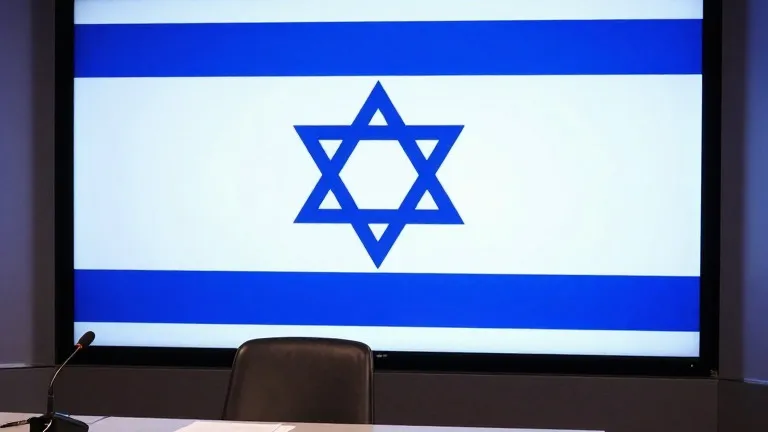
Danny Kushmaro identifies a recurring pattern in Israeli political discourse where 20% of past campaigns described their specific election as the most fateful in the country's history. His analysis challenges the current narrative surrounding the vote scheduled for Tuesday, arguing that labeling the 2026 contest as uniquely historic is a common refrain rather than a distinct reality.
The current campaign has embraced the phrase "Israel's most important elections" as a standard introduction to election segments. Kushmaro notes that this language transforms political competition into an existential matter. When the battle between the pro-Netanyahu and anti-Netanyahu blocs is framed as the most important vote ever, a defeat becomes difficult to view as a simple setback that can be corrected in the next cycle. Instead, the loss sounds like an event the country cannot survive, making it harder for the losing side to accept the outcome.
Since Naftali Bennett formed his government in 2021, the central struggle in Israeli politics has shifted from who should govern to whether the losing side will allow the other side to hold power. Before Bennett's government was even sworn in, Prime Minister Benjamin Netanyahu branded its formation "the greatest election fraud." Although Netanyahu referred to broken campaign promises rather than stolen ballots, the language cast a government formed through the parliamentary process as illegitimate. From the moment Bennett took office, the opposition worked to bring the government down, utilizing the Knesset as the main arena for conflict due to the coalition's slim majority.
The opposition sometimes voted against legislation it supported if they believed it would weaken the government. In recordings published in May 2022, Likud MK Miri Regev defended voting against measures that benefited soldiers and vulnerable groups. She stated that the overriding objective was to topple the coalition. The Bennett government spent much of its short life fighting for survival before Netanyahu won the 2022 election and formed a hard-right government.
After the 2022 vote, the dynamic reversed. Yair Lapid conceded the election and arranged an orderly handover. However, as opposition to the judicial overhaul brought masses into the streets, the language of illegitimacy reappeared. At a massive demonstration in Tel Aviv in April 2023, former Shin Bet director Yuval Diskin argued that the new government was morally illegitimate due to its "appalling composition and reprehensible actions," despite having been elected legally. This history suggests that the current 2026 campaign fits a long-standing pattern of high-stakes rhetoric rather than marking a unique historical break.
Kushmaro's work suggests that voters should not assume the current election is more fateful than those that came before. The recurrence of such claims in one in five campaigns indicates that this is a standard feature of Israeli political battles. The upcoming vote will test whether the parties involved can manage the transition of power without resorting to the same existential framing that has characterized recent years.
More Politics · World news · Report a business · Got a Story?