
Mexico Shrinks Vaquita Protection Zone by 86%
New environmental rules under President Sheinbaum drastically reduce the no-net zone in the Upper Gulf of California, prompting a formal request from over 70 international organizations to reverse the policy.
By Adrian Carter ·
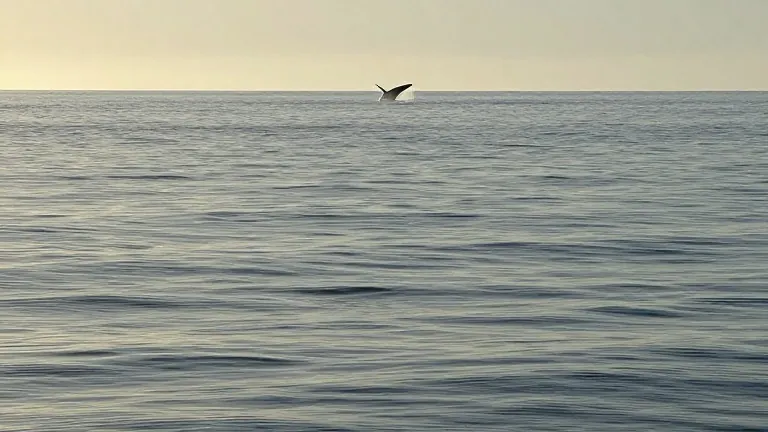
Fishers and residents in the Upper Gulf of California now face a smaller protected area for the vaquita marina. The Mexican government has implemented new environmental regulations that reduce the zone where gillnets are prohibited by approximately 86 percent. This change allows for new fishing areas and a transit corridor, effectively eliminating most of the zero-tolerance zone that previously safeguarded the small cetacean.
The policy shift occurs under the administration of President Claudia Sheinbaum Pardo. Although Mexican state bodies, including SEMARNAT, SEMAR, PROFEPA, and CONANP, publicly commit to defending the natural environment, the new rules permit greater fishing activity in the vaquita's habitat. The vaquita, a species found only in Mexican waters for more than 200,000 years, remains the most threatened marine mammal on Earth.
The International Whaling Commission issued its first extinction alert in its eighty-year history in August 2023. This was the first such warning since 1946, specifically applied to the vaquita. Scientists warn that ignoring this alert places the species at severe risk of permanent disappearance.
The primary threat to the vaquita is the totoaba fish. Asian markets pay thousands of dollars for the totoaba's swim bladder, driven by a false belief in its aphrodisiac properties. Because the totoaba and the vaquita are similar in size, they are frequently caught together in gillnets. Organized crime groups further intensify the pressure by promoting the capture and sale of the totoaba.
If the vaquita disappears, it will be the second cetacean to go completely extinct in the modern era. The first was the baiji river dolphin in China, which was declared extinct in 2006 due to pollution in the Yangtze River.
More than 70 civil society organizations and dozens of scientists have sent a formal letter to the Mexican government requesting that it correct its course. The signatories include the Ocean Futures Society, Nuclear Age Peace Foundation, Greenpeace Mexico, Cetacean Society International, Natural Resources Defense Council, Whale and Dolphin Conservation, Instituto de Conservación de Ballenas, Instituto Brasileiro de Conservação da Natureza, Sea Legacy, Fundación Conservaré, Fundación Promar, Investigación y Conservación de Cetáceos, and Ocean Care.
The initiative was convened by Dr. Yolanda Alaniz Pasini, a consultant for COMARINO. The letter urges the Mexican government to honor its existing commitments to environmental protection. It asks authorities to maintain the safeguards necessary for the survival of the vaquita and other species in the region.