Food Stamp Rolls Shrink by 13% Since Trump Administration Tightened Rules
Enrollment in the US Supplemental Nutrition Assistance Program fell from 41.6 million to 36.5 million in under a year, and food banks, officials and advocates say more families are going hungry.
By Global Business Media Hub Staff ·
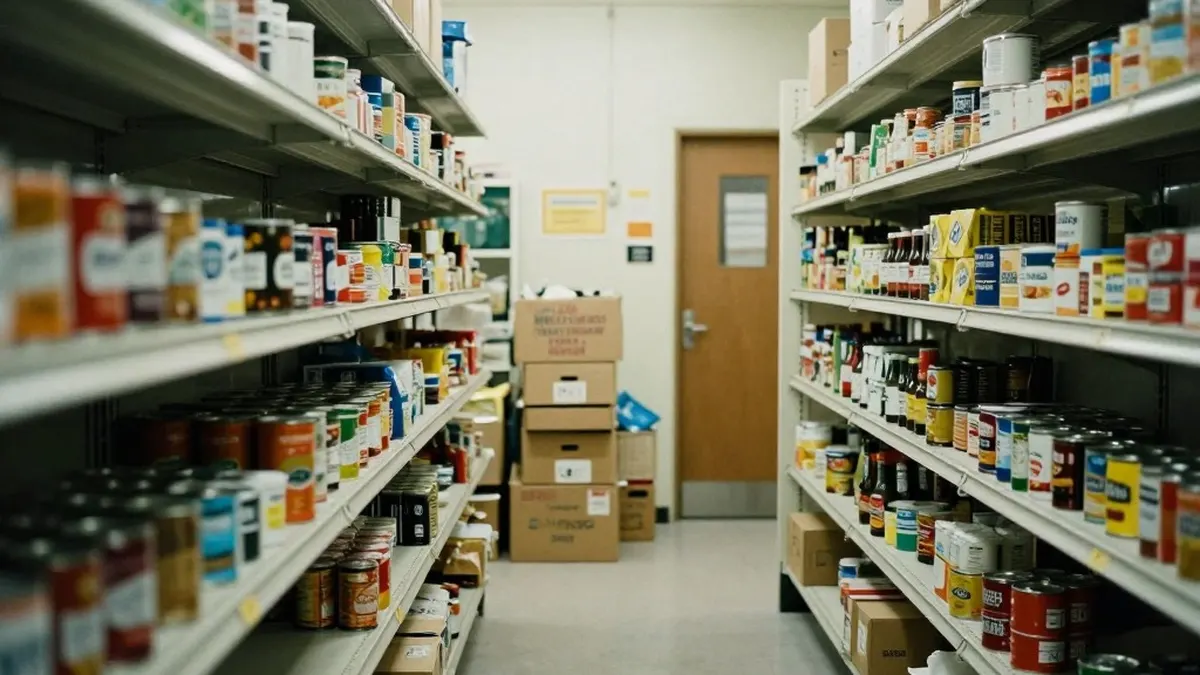
Enrollment in the Supplemental Nutrition Assistance Program (Snap) has fallen sharply in the United States over the past year after the Trump administration tightened eligibility rules. Food banks, non-profit leaders and people facing food insecurity say the result is that more people are turning to charity or going without meals.
According to the latest figures from the US Department of Agriculture, which runs the program, enrollment dropped from 41.6 million in July 2025, before the One Big Beautiful Act took effect, to 36.5 million in June 2026. That is a decline of 13%. Donald Trump and other Republicans argue the changes encourage people to find work, while elected officials and anti-hunger groups say they simply make it harder for families to eat.
The law widened the work requirement considerably. Previously, only able-bodied adults aged 18 to 54 with no dependents under 18 had to work at least 20 hours a week, or else receive benefits for no more than three months in a three-year period. Under the new rules, the requirement of 20 hours of paid or volunteer work weekly applies to people aged 18 to 64 who have no dependent under 14. The law also requires states, starting this month, to cover 75% of Snap administrative costs, up from half. The congressional budget office projects the changes will cut spending by about $187bn over 10 years.
The impact differs by state. Arizona saw enrollment fall by 50% between July 2025 and June 2026, while Kentucky recorded a 6% decrease. Kentucky governor Andy Beshear, a Democrat, wrote this month to agriculture secretary Brooke Rollins that he was concerned more people in his state were going hungry, affecting children and the elderly.
Rollins has framed the drop as a success. Speaking at a farming festival in Minnesota in August, she said it was "a pretty big win when we move 5 million people off of food stamps." Critics counter that grocery and gas prices have risen during Trump's second term. "If people were getting paid enough, they would not be on the Snap program," said Gina Plata-Nino, director of Snap at the Food Research and Action Center.
Food assistance groups report growing strain. The Food Bank Council of Michigan saw daily helpline calls rise to more than three times their earlier level and temporarily suspended the line this week because of volume. In Louisville, Feed Louisville founder Rhona Kamar said shelves are now empty by the end of each day, and all food arriving at the kitchen goes straight back out to the community.
Schools are also feeling the effects. A school where at least 25% of students receive Snap or certain other public benefits can offer free breakfast and lunch to everyone through the Community Eligibility Provision. The Washington Post reported this week that fewer Snap enrollees have made that harder, and that 26 schools in Houston independent school district no longer qualify.
Advocates dispute that the decline reflects people finding better work. The US added 776,000 non-farm jobs between January 2025 and September 2026, compared with 2.6 million in the last 20 months of Joe Biden's presidency, according to Factcheck.org. "We don't have the data to suggest that there are more jobs suddenly out there. We just know fewer people are getting benefits," said Sheril Kirshenbaum of the Food Bank Council of Michigan. A USDA spokesperson said the number of recipients "is constantly changing and is not representative of any one policy."
More pressure may be coming. In October 2027, states with a payment error rate above 6% will have to pay part of benefit costs, though states with rates above 13% received a delay. The USDA says the error rate is not a measure of fraud. Joseph Llobrera of the Center on Budget and Policy Priorities said states have been "set up to fail," and Kirshenbaum warned of longer processing times for applicants.
For Sandra Scott, 58, of Louisville, Snap has been a lifeline. Homeless for most of her life, she relied on soup kitchens before receiving benefits four years ago. She now lives in subsidized housing and volunteers at a pay-what-you-can restaurant. She asked members of the administration to "walk in one of our shoes."
Source: The Guardian