Putin Secures a Diplomatic Coup at Shenzhen Summit Before Talks Even Begin
A first ever three way meeting with Xi Jinping and Donald Trump hands the Kremlin a symbolic victory, even as Russia's war in Ukraine grinds on.
By Ama Ndlovu ·
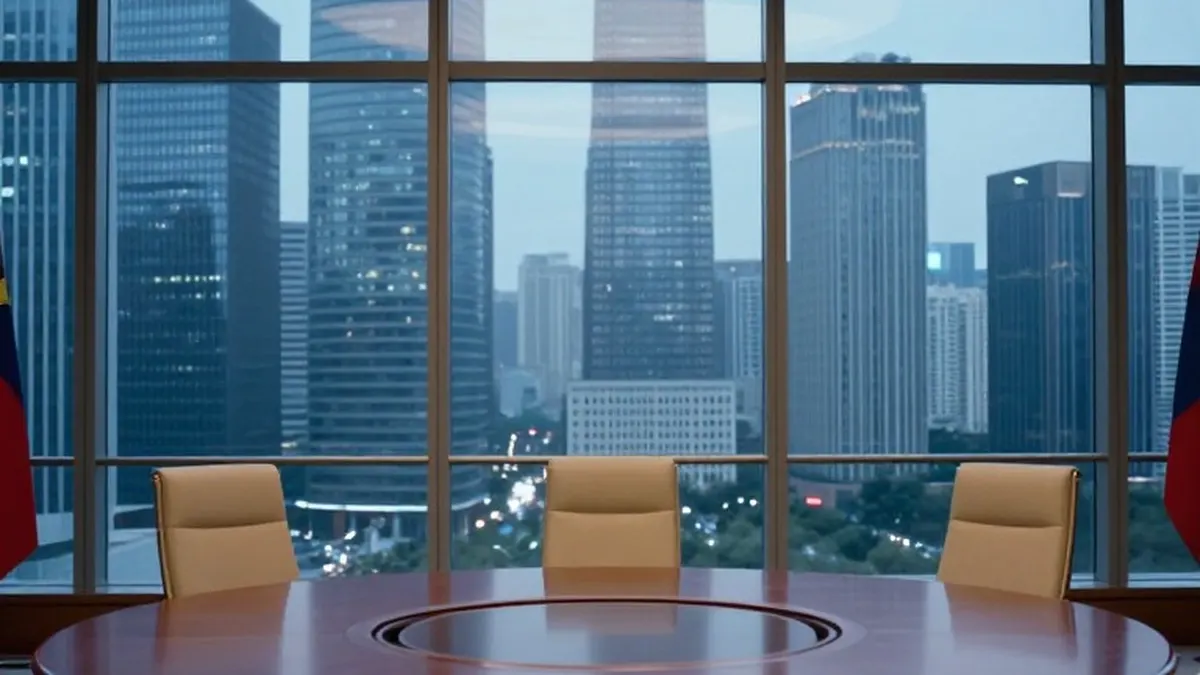
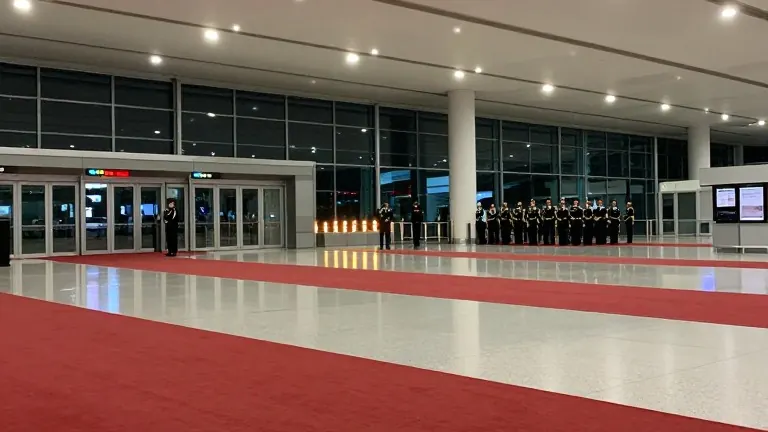
The meeting has not even taken place yet, but Thursday's gathering in Shenzhen of Vladimir Putin, Donald Trump and Xi Jinping already amounts to a victory for the Kremlin, whatever emerges from the talks.
The contrast with recent years is stark. After Russia launched its full scale invasion of Ukraine in 2022, Putin was treated as an international pariah, and Western leaders vowed to isolate him and his country over the war. Four years on, he has secured an historic encounter: for the first time, the leaders of China, Russia and the United States will sit down alone, just the three of them.
That places the Russian president exactly where he wants to be, at the top table of global politics alongside the leaders of the two great powers, and allows him to argue that Western pressure has failed. "We see such examples in the failed attempts to isolate our country, Russia, which has faced unprecedented sanctions pressure," Putin told a business forum of the Asia-Pacific Economic Co-operation organisation, shortly before holding a separate meeting with Xi.
The Kremlin has described the trilateral session as the "showstopper" event of the summit. It gives Putin the chance to play the global statesman even as Russian forces continue to strike Ukrainian towns and cities, and as Moscow keeps rejecting the idea of an unconditional, comprehensive ceasefire.
A single short meeting is unlikely to reshape the world, but the optics matter most. The image of three leaders from three major powers discussing the biggest issues of the day is itself the prize, a way for Putin to show the rest of the world that he is very much present at the centre of events.
Those not at the table are watching nervously. Among European leaders, and especially in Ukraine, there is concern that the three way talks could produce more than a photograph, and not in a good way for Kyiv. Trump has already said he wants to use Shenzhen to discuss what he calls his "favourite subject", the war in Ukraine, and the Kremlin would likely welcome the chance to argue its case to Trump and Xi without Ukrainian officials or European leaders in the room.
Last month, Ukraine's President Volodymyr Zelensky warned that the meeting risked echoing the Yalta Conference of 1945, when Joseph Stalin, Winston Churchill and Franklin D. Roosevelt met to reorganise postwar Europe. "We really don't want this to turn into 'Yalta 2, 3, 4' with a redistribution of influence," Zelensky said.
Whether China wants the Ukraine war on the agenda is unclear. In its official statements on the trilateral meeting, Beijing has spoken more broadly about the need to discuss "safeguarding world peace and promoting strategic stability".
Russia will make the most of the optics in Shenzhen, but a diplomatic victory is not the same as a military one. Nearly five years after Putin launched his so called "special military operation", Russia is still struggling to win its war on Ukraine and has suffered huge losses on the battlefield.
The timing has also been uncomfortable for Moscow. A Ukrainian strike on the road bridge linking Russia to the Crimean Peninsula, carried out on the eve of the summit, severely damaged part of the multi billion dollar crossing built after Russia annexed Crimea from Ukraine. Beyond the logistical headache, the attack was a blow to prestige and a reminder that the campaign has not gone to plan. Shenzhen may give Putin a big stage and a bright spotlight, but it does not necessarily bring him any closer to winning the war.