Menú del Día struggles to survive in modern Spain
The traditional midday set lunch is losing popularity due to rising costs and changing schedules, though experts argue the institution is not yet extinct.
By Ama Ndlovu ·
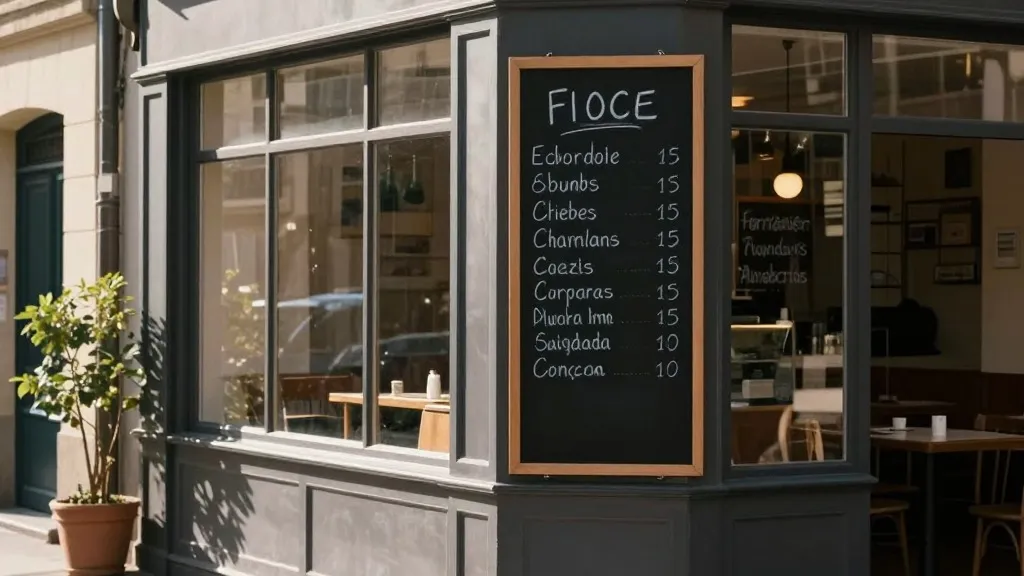
The daily set lunch remains a cornerstone of Spanish work life, yet the institution faces mounting pressure from economic inflation and shifting social habits. While millions still rely on the menú del día, the format is gradually losing its grip on a population that is increasingly time-poor and price-sensitive. This tension between a cherished tradition and modern reality has prompted new scrutiny of the meal’s future.
The decline is evident in the numbers. Approximately four million of these meals are served on any given weekday, a figure that has dropped from its peak. In 2009, renowned chef Ferran Adrià declared the format dead, citing the rise of bistro-style dining that charges between €20 and €30 for simple fare. Although that prediction proved premature, the underlying pressures he identified have only intensified over the subsequent seventeen years.
A new book by food journalist Lakshmi Aguirre, titled Menú del Día: Everyday Scenes of a First Course, a Second Course and Pudding, examines the tradition's trajectory. Aguirre argues that while the menu is in trouble, it is not finished. Her work highlights that the dish is currently struggling against rising energy bills and food costs, which make it difficult for small, family-run establishments to maintain a rotating daily selection without raising prices.
The origins of the menu are often overlooked, but they reveal much about its purpose. It was introduced in the mid-1960s by Manuel Fraga, a minister under dictator Francisco Franco, to project an image of abundance to foreign tourists after the post-war scarcity. The original regulations mandated a soup starter, a main course of meat, fish, or egg, and a dessert, all for a fixed price between 50 and 250 pesetas. The accompanying wine was required to be pure and at least 12% alcohol to prevent dilution.
Today, the average price stands at €14.70, a significant increase from the regulated era. Many workers now opt for quick alternatives, such as packed lunches or microwave meals, due to tight schedules. Some restaurants have adapted by offering a single dish of the day or incorporating Latin American ingredients to reflect Spain's changing demographics. Aguirre notes that the menu has always mirrored the society that consumes it.
For Aguirre, the loss of the menú is more than a culinary shift. It represents the disappearance of a social meeting point where families with limited means could dine out and lonely individuals could find company. She emphasizes that the true value of the meal lies not only in its affordability but in the time it allows for enjoyment. The challenge now is to preserve this communal aspect as the format continues to evolve.
The outlook remains uncertain. While nostalgia is growing as people realize the tradition is fading, the economic and temporal pressures are real. The future of the menú del día will depend on whether restaurants can balance profitability with the simple, hearty offerings that have defined Spanish lunchtime for over half a century.
More Business · World news · Business Watchdog · Report a business · Got a Story?