Kahana Wins Knesset Speaker Gavel
Matan Kahana defeated Ofir Katz in a late-night vote that ended a six-hour delay tactic by the opposition.
By Ananya Sharma ·
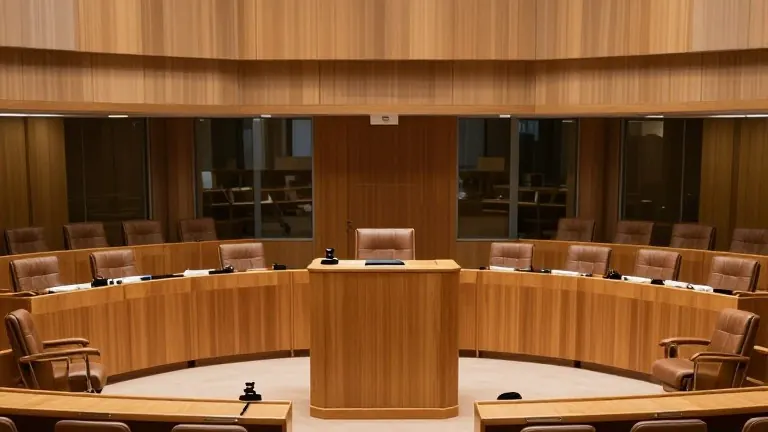
Matan Kahana took the gavel as Knesset speaker at 9:00 p.m. Tuesday, ending a legislative standoff that had stretched into the night. The 59-year-old Yashar MK secured the position with a vote of 66 to 52. His victory was the result of a two-ballot process that began after the prime minister's bloc launched a six-hour filibuster to stall his appointment.
The Eisenkot-led coalition, which holds 48 seats, relied on the support of Yisrael Beytenu, B’Yachad, and the left-wing Democrats to form a majority. The coalition’s reach extended beyond its own ranks to include the Arab-led Ra’am and Joint List parties, which together hold 19 seats. The simple majority required for the speaker’s election proved decisive, as only one lawmaker from the opposing side was absent from the chamber.
Kahana’s main rival was Likud MK Ofir Katz, who received 52 votes from the Netanyahu bloc. The ultra-Orthodox United Torah Judaism party voted for Katz, a move that surprised some observers who had speculated the group might abstain. The only absentee from the opposition was Likud’s Nir Barkat, while Ra’am’s Yasser Hujirat was the sole missing voice from the coalition side.
The chamber erupted in mixed reactions as Kahana accepted the role from his predecessor, Likud MK Amir Ohana. Allies applauded while rivals jeered. Likud MK Almog Cohen and Otzma Yehudit MK Tally Gotliv were repeatedly called to order for accusing the new speaker of relying on "terror supporters," a reference to the Arab parties that backed his election. The Knesset subsequently voted 38 to 15 to appoint nine deputy speakers, a slate that included representatives from both major blocs.
In his inaugural address, Kahana framed the Knesset as a home for all citizens regardless of background. He stated that the parliament would obey court rulings until a future government could enact changes through broad consensus, a pointed reference to the outgoing coalition’s conflicts with the High Court. He invoked the teachings of the House of Hillel, urging lawmakers to seek understanding over division.
Gadi Eisenkot, the Yashar chairman, declared that a new era of oversight had begun for the legislature. Naftali Bennett, who led the coalition in the previous government, praised Kahana as a patriot and a fellow veteran. The Netanyahu bloc reacted with sharp criticism, calling the election an "eternal disgrace." A Likud statement described the appointment as unilateral, secured by votes from parties that they said disparage the national anthem.
Finance Minister Bezalel Smotrich and Communications Minister Shlomo Karhi voiced strong disapproval of the result. Karhi used an Arabic term for leader to describe Kahana, highlighting the friction between the blocs. These exchanges continue as Netanyahu and his allies call for a national unity government while Eisenkot negotiates a possible coalition with Likud. The Eisenkot bloc had promised not to advance repeal laws regarding the previous judicial overhaul until Monday, a compromise reached to end the filibuster.
More Politics · World news · Report a business · Got a Story?