BBC Declares Blue Planet III Contains Zero AI Frames
The new series retains murky water and imperfect shots to distinguish real ocean life from synthetic media.
By Adrian Carter ·
Zero. That is the number of AI-generated frames in the new BBC natural history series Blue Planet III. The production team made the declaration at a press event to distinguish the program from synthetic media that is rapidly entering the market.
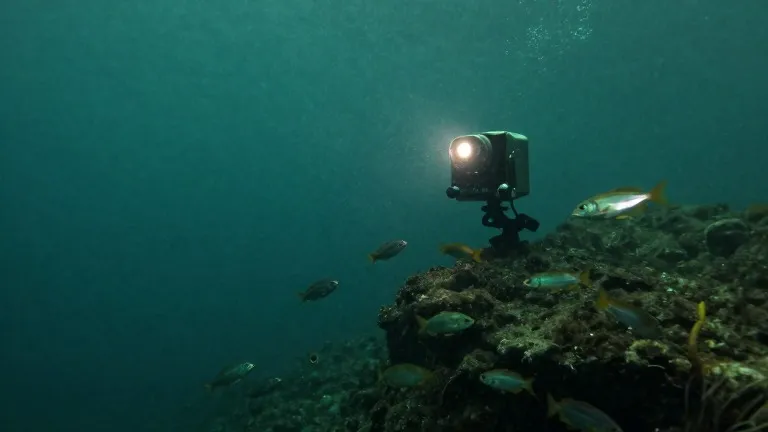
The series, narrated by David Attenborough, arrives nearly a decade after the second installment and 25 years after the original. It features footage captured over four years across five oceans. The team utilized new tools, including an underwater CCTV unit nicknamed the stonefish cam, leg-mounted scooters for divers, and a deep-sea selfie stick.
Executive producer Elizabeth White explained that the team intentionally kept cloudier and less polished shots in the final cut. In previous productions, crews might have removed sequences with plankton in the water or framed out boats and buoys. Now, those details remain visible. White stated that the team is really leaning into that authenticity to reassure viewers that the footage is real photography.
Jack Bootle, the BBC's head of specialist factual commissioning, gave journalists a specific assurance during the screening. He said, "No gen AI was used in this series. Not a single frame. It's all real photography." Bootle added that while viewers may feel they have seen it all, the current program is bursting with novel behaviour.
The series documents several new animal behaviours. One scene shows dolphins using sea sponges to block holes in coral and trap fish. This was recorded using the CCTV technology developed by producer and director Yoland Bosiger. Other scenes include a grouper communicating with a different species of fish, 200,000 crabs lining up in formation to feed, and sea urchins using shells as sun hats. A penguin sequence also echoes a famous moment from the Planet Earth franchise.
The production also addresses environmental threats. One episode details how warmer seas are killing the sea anemones where clownfish live. The fish are shown attempting to repair their damaged homes. The series also continues the theme of plastic pollution, focusing on pollutants and forever chemicals.
Blue Planet III begins on Sunday, 1 November, on BBC1 and iPlayer. The series is part of a £500m cost-cutting drive at the BBC, though the unit saved money by using more local crews on location than in previous productions.
More Culture · World news · Report a business · Got a Story?