33 million Brazilians sat out first round as Osasco's industrial base collapsed
The city's shift from factories to malls and delivery apps has moved its vote from Lula to Flávio Bolsonaro ahead of Sunday's runoff.
By Ananya Sharma ·
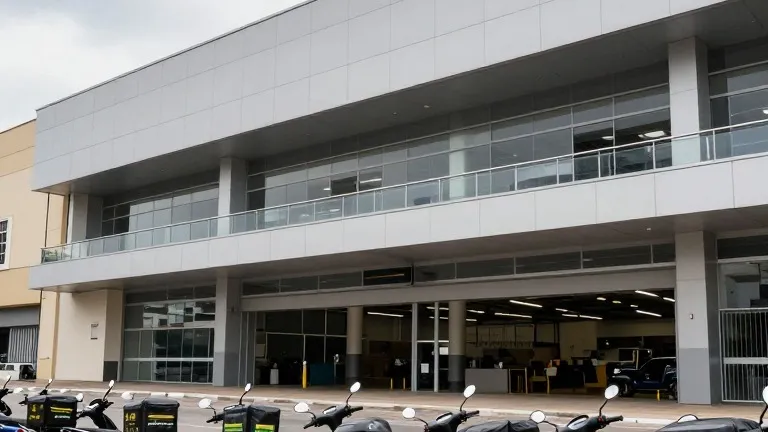
Thirty-three million Brazilians skipped the ballot in the first round of the presidential election, marking the highest abstention rate since 1998. This record turn-out away from the polls coincides with a structural change in the country's workforce, particularly in Osasco, a municipality near São Paulo that has transformed from an industrial hub into a center for retail and logistics.
Osasco voted for Luiz Inácio Lula da Silva in 2022 but shifted its support to Flávio Bolsonaro in October's first round. Gilberto Almazan, a leader of the local metalworkers' union, attributes the change to the disappearance of traditional manufacturing jobs. He noted that metal, chemical, and textile factories vanished while five shopping malls were constructed in their place. Almazan described the previous union movement that supported Lula as outdated, comparing it to the Middle Ages.
The rise of gig work, which Almazan terms Uber-isation, has altered voter priorities. Many workers now prefer the flexibility of driving or food delivery over the collective bargaining structures Lula advocates. Richard Lapper, a biographer of both candidates, argued that Brazil industrialised late and deindustrialised early, making these economic shifts particularly sharp. He called Lula a victim of his own success, noting that while unemployment reached a record low and the country was removed from the UN Hunger Map, household debt and high prices have eroded the feeling of progress.
Voters in Osasco expressed mixed sentiments about the current administration. Robson, a 53-year-old civil servant, cited government mismanagement and heavy taxes as reasons for his shift. Tairine, a hot dog seller who previously abstained, stated that she now plans to vote for Bolsonaro because she sees no change under Lula. Conversely, lawyer Gisele Bonfim, who voted for Lula in 2022, said she supports Bolsonaro for the hope of change he offers.
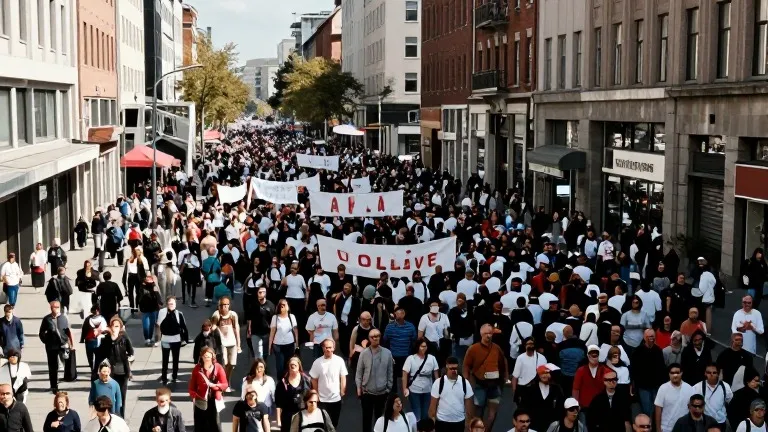
Flávio Bolsonaro has proposed cutting government spending and ministries while retaining key welfare programmes. He faces corruption accusations, which he denies. Lula's campaign is counterattacking with large street rallies, including one in São Paulo that drew approximately one million people. The 80-year-old president has also used social media to dismiss age-related concerns, referring to himself as the king of selfies. In Rio's Maré favela, Lula still retains support among the poorest residents, who cite his minimum wage increases and free medicines as key benefits, despite fears over police raids linked to Bolsonaro's plan to designate the Comando Vermelho gang a terrorist organisation.
Pastor Silas Malafaia, who is being investigated for alleged obstruction of the coup trial of his uncle Jair Bolsonaro, said Flávio shares evangelical values on family and abortion. The church sector, attended by about a quarter of Brazilians, has expanded its role in providing social services. Almazan fears there will never be another Lula, leaving the runoff outcome dependent on whether voters believe the incumbent can offer a new economic narrative.
More Business · World news · Business Watchdog · Report a business · Got a Story?